How to Get to the Imperial Carriage Museum Vienna – Directions & Transport Options
Directions to the Imperial Carriage Museum
Find the easiest and most convenient ways to reach the Imperial Carriage Museum in Vienna, whether you’re traveling by public transport, car, or on foot.
Where to Find the Imperial Carriage Museum
How to Get to the Imperial Carriage Museum, Vienna
By Car
The museum is easily accessible by car from major roads in Vienna.
Paid parking is available nearby at public parking garages around the Hofburg Palace area.
Street parking is limited, especially during peak tourist season, so arriving early is recommended.
Driving allows flexibility if you plan to visit other nearby attractions in Vienna’s historic center.
By Metro (U-Bahn)
The nearest U-Bahn station is Herrengasse (U3 line), just a short walk from the museum entrance.
The metro is fast, reliable, and ideal for visitors staying in different districts of Vienna.
Using public transport helps avoid traffic and parking hassles in the city center.
By Bus or Tram
Several Vienna Linien buses and trams stop near the Hofburg Palace.
Routes such as 1A, 2A, and tram 1 or 2 connect the museum to popular districts and nearby attractions.
Taking a bus or tram is convenient, budget-friendly, and offers a scenic route through Vienna.
By Train
If arriving from outside Vienna, the main train station, Wien Hauptbahnhof, connects easily to the city center via metro or tram.
From the station, it’s roughly a 15–20 minute metro ride to Herrengasse, followed by a short walk to the museum.
Train travel is ideal for visitors coming from other Austrian cities or neighboring countries.
On Foot
Visitors staying in the historic Innere Stadt can easily walk to the museum.
Walking lets you enjoy Vienna’s stunning architecture, charming streets, and nearby landmarks like the Spanish Riding School and Michaelerplatz.
Exploring on foot is perfect for combining sightseeing with your museum visit.
Nearby Landmarks
Schönbrunn Palace
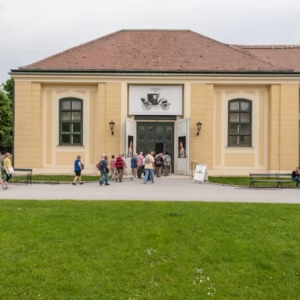
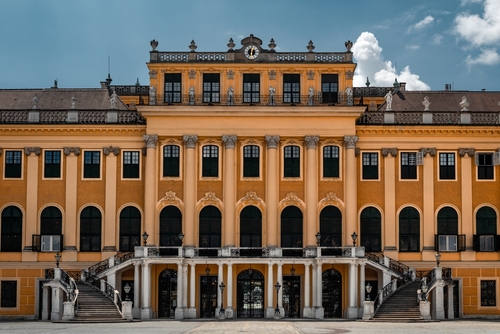
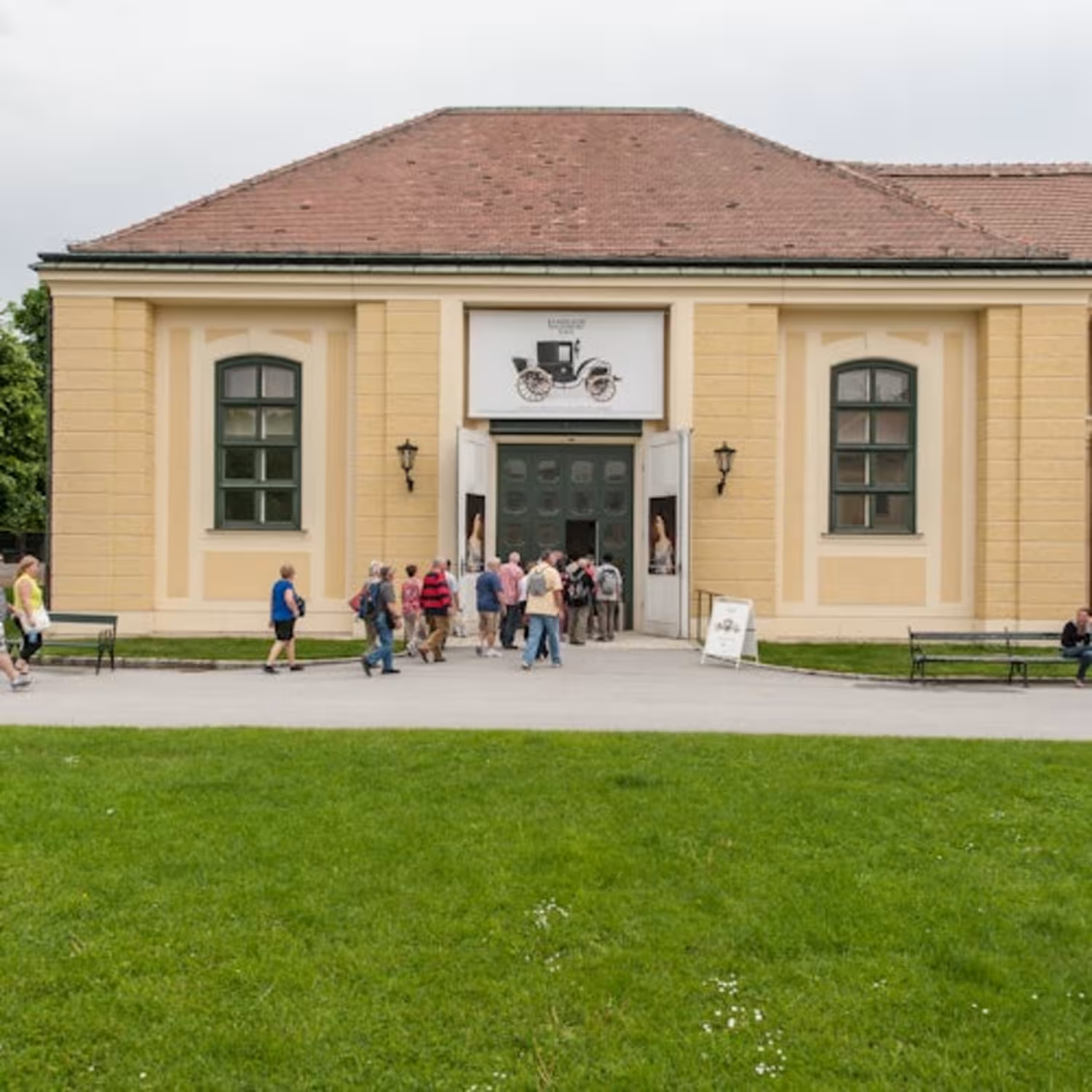
One of Vienna’s most iconic landmarks and a former imperial residence, known for its grand rooms and Baroque architecture. The Imperial Carriage Museum is located within the Schönbrunn Palace complex.
Distance: On-site / within the palace grounds
Schönbrunn Palace Gardens
A vast and beautifully landscaped garden area featuring fountains, sculptures, and scenic walking paths, perfect for a stroll before or after your museum visit.
Distance: Approximately 0.1 miles from the museum
Gloriette at Schönbrunn
A hilltop structure offering panoramic views over the palace gardens and Vienna’s skyline, making it a popular photo spot.
Distance: Approximately 0.6 miles from the museum
Schönbrunn Zoo (Tiergarten Schönbrunn)
The world’s oldest operating zoo, home to a wide variety of animals and family-friendly attractions.
Distance: Approximately 0.5 miles from the museum
Palm House (Palmenhaus Schönbrunn)
An impressive historic greenhouse featuring exotic plants from around the world, located within the Schönbrunn gardens.
Distance: Approximately 0.3 miles from the museum


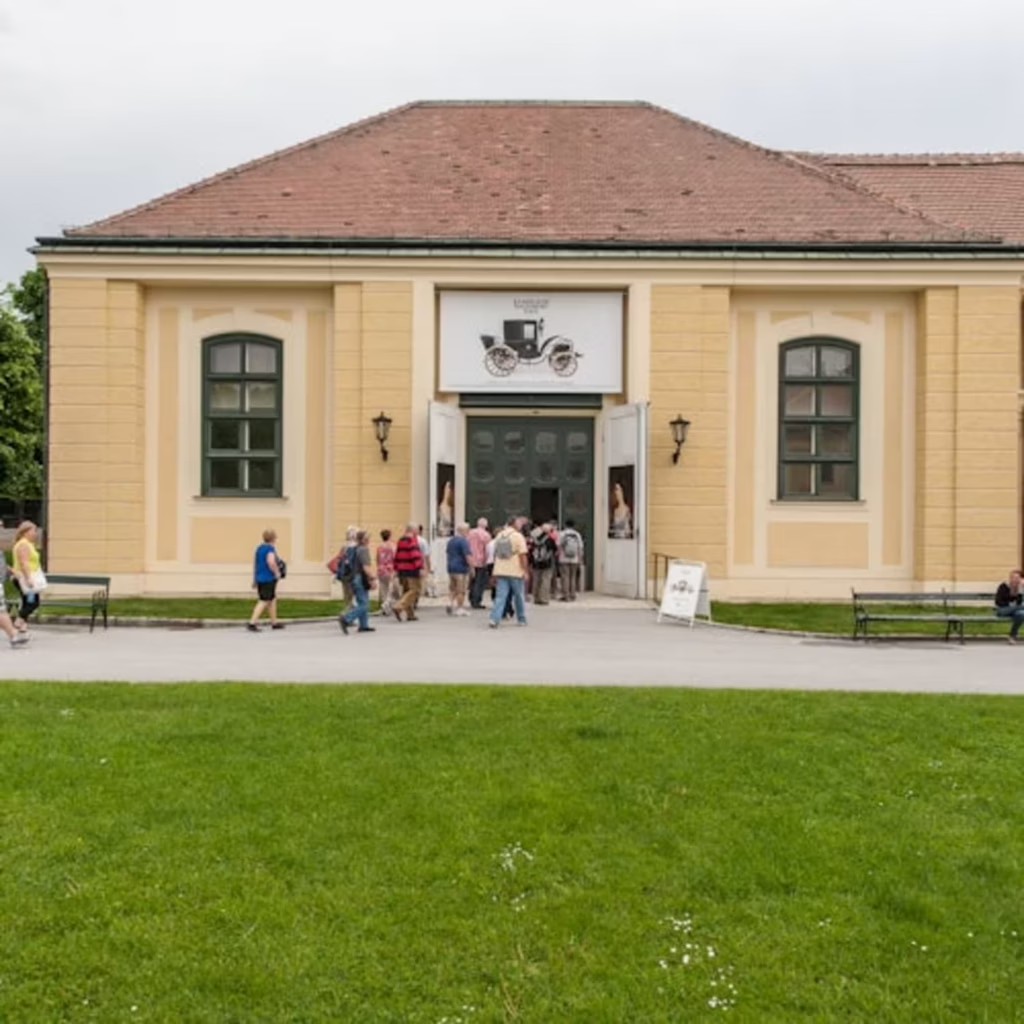
Imperial Carriage Museum Schönbrunn
Highlights
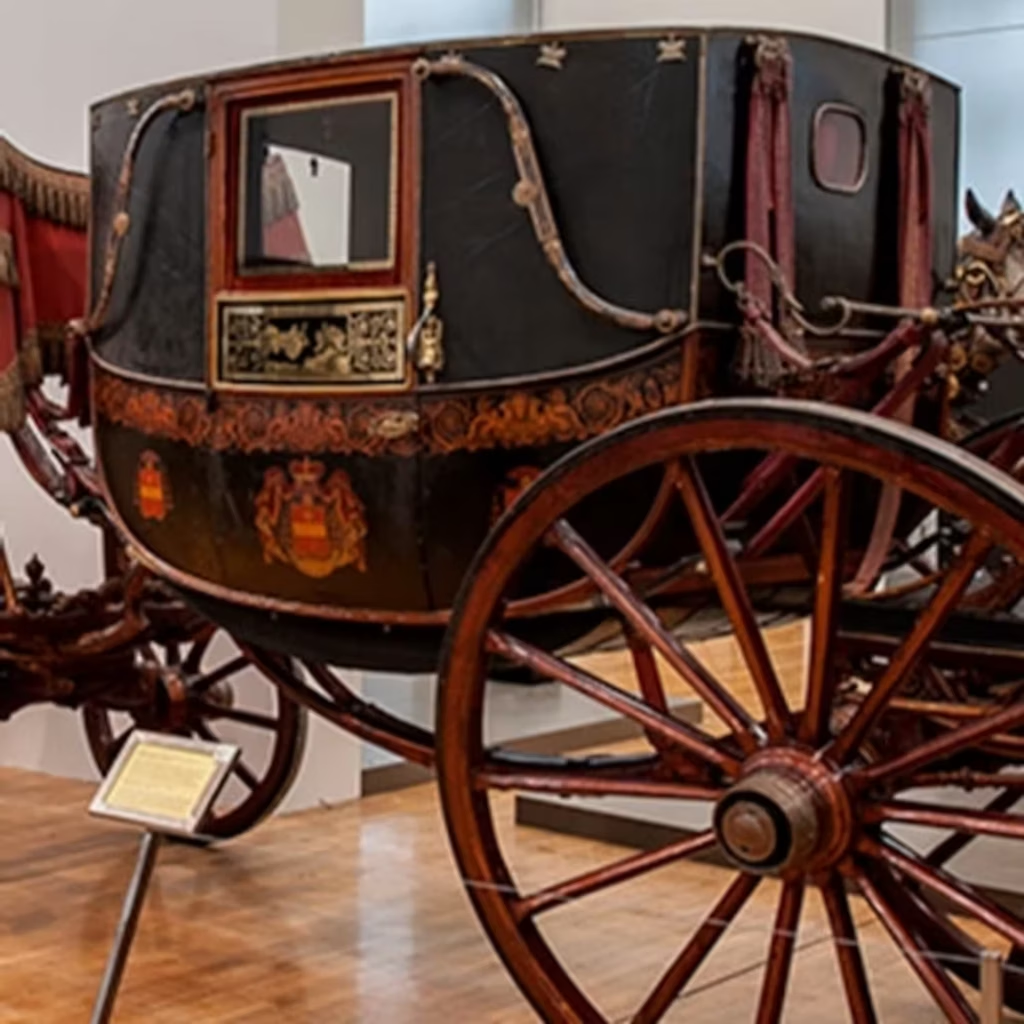
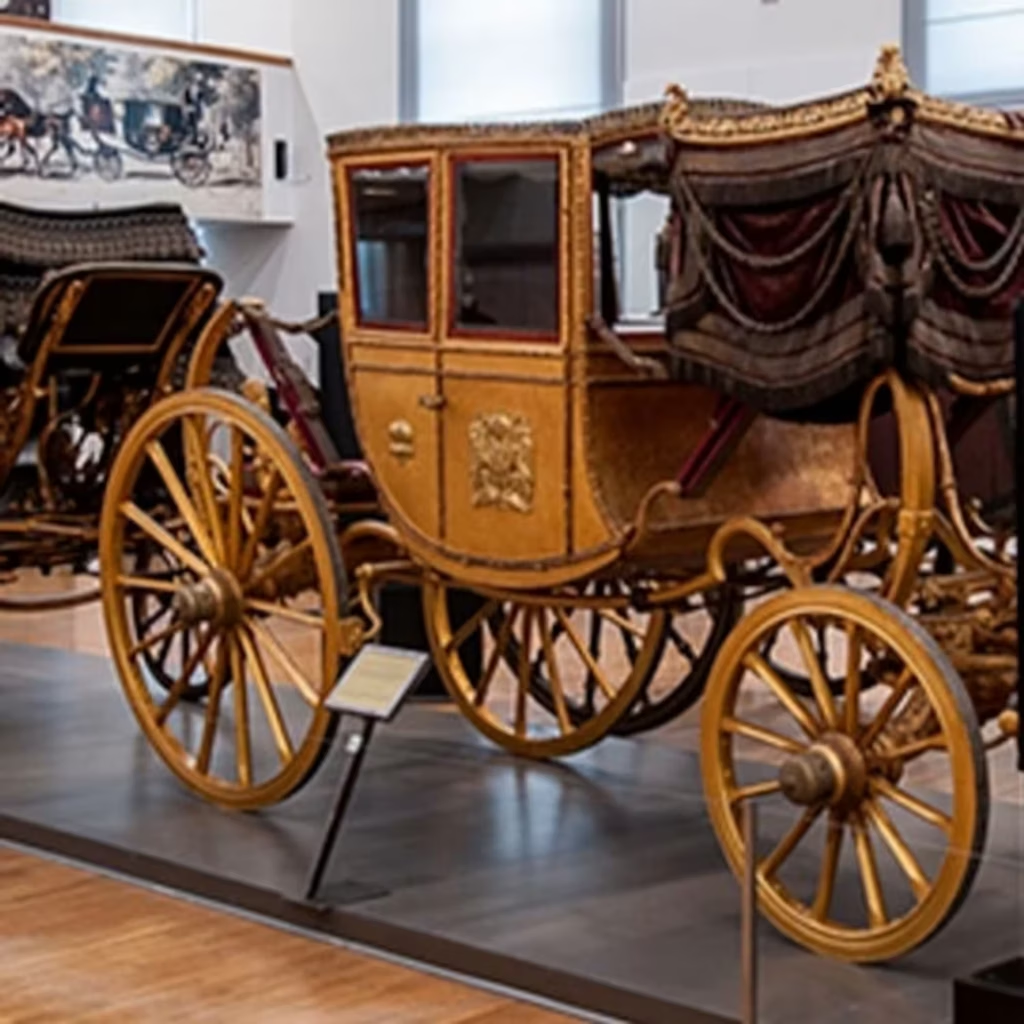
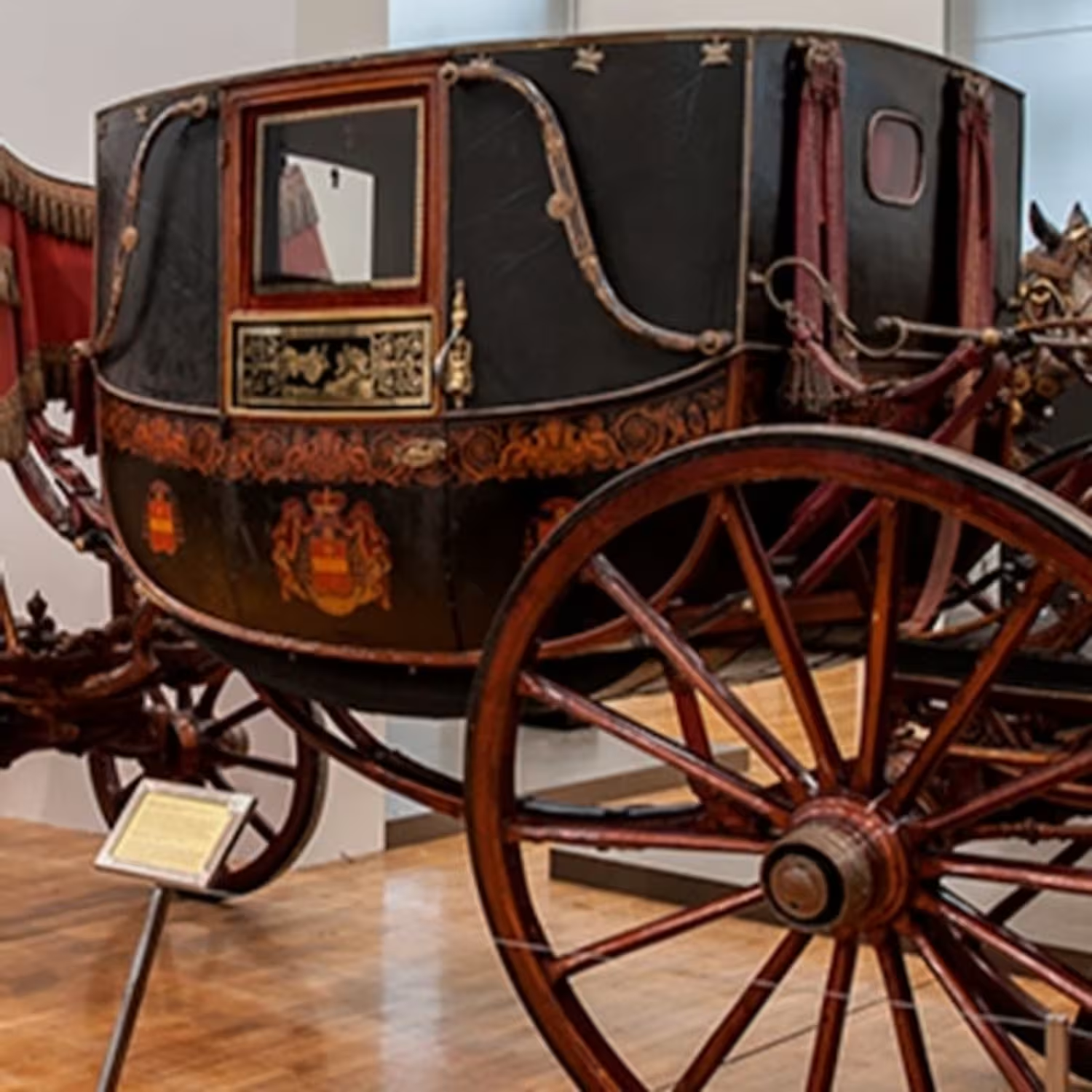
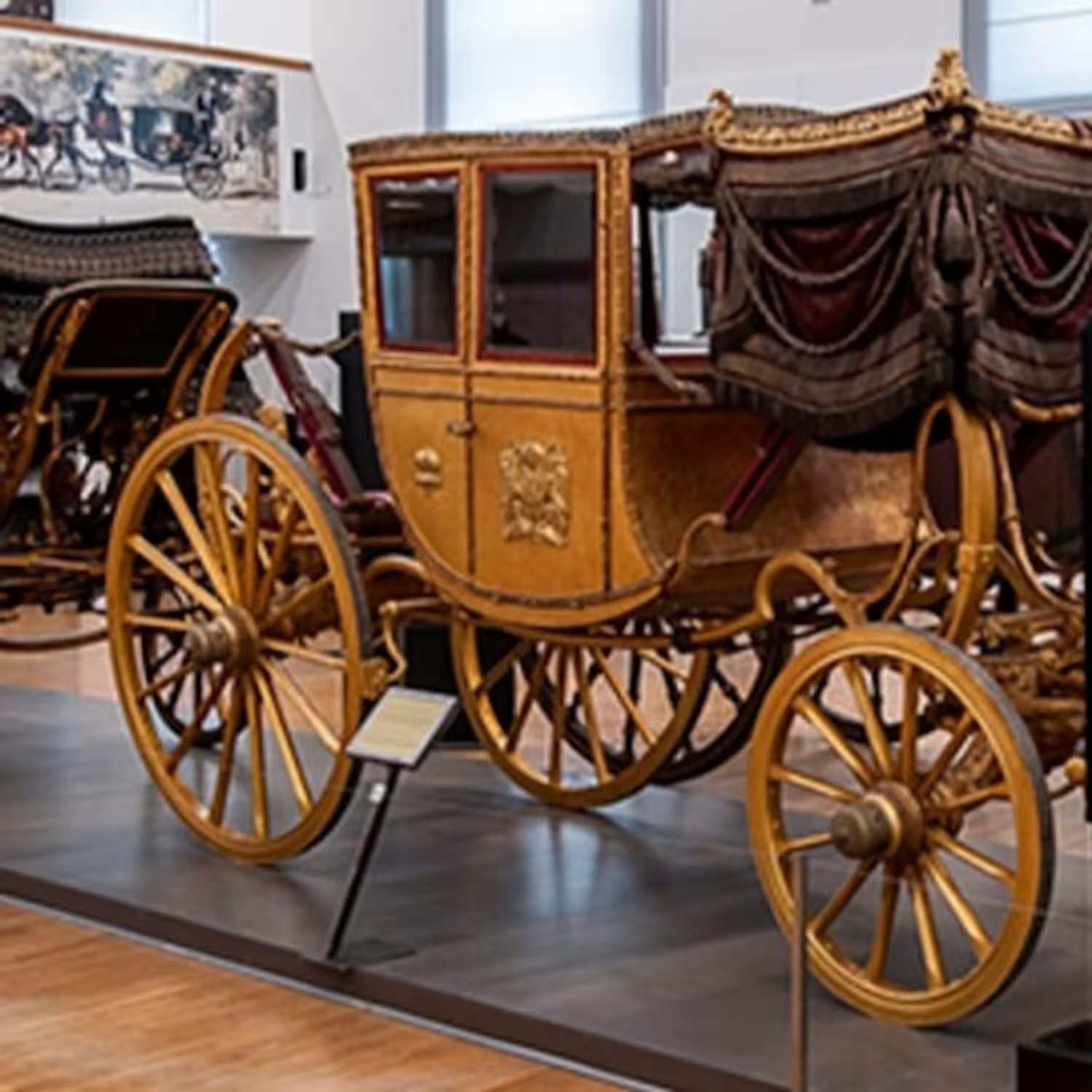
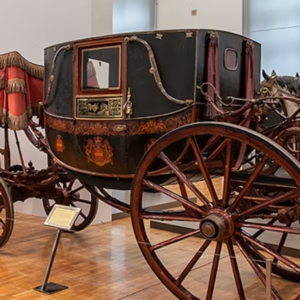
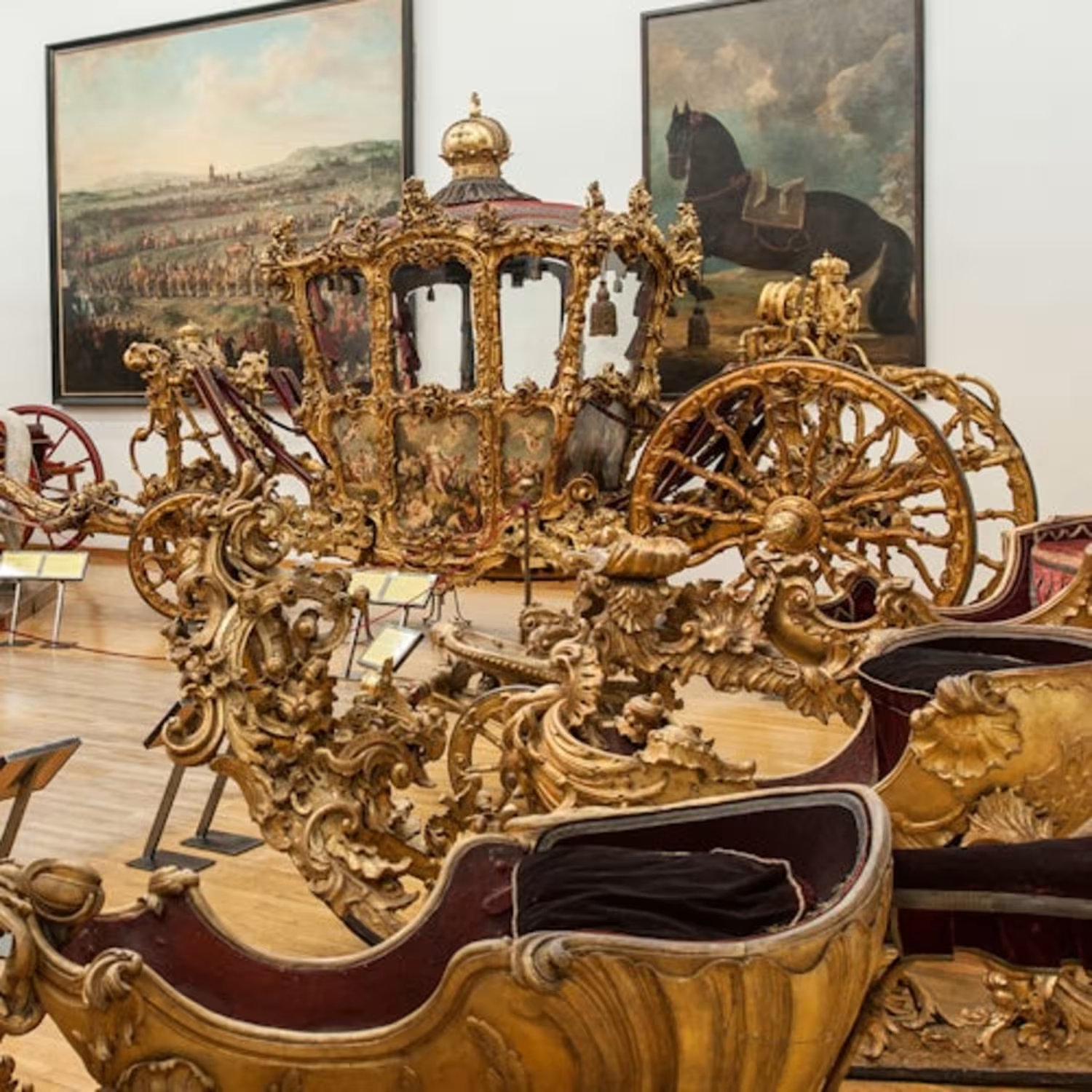
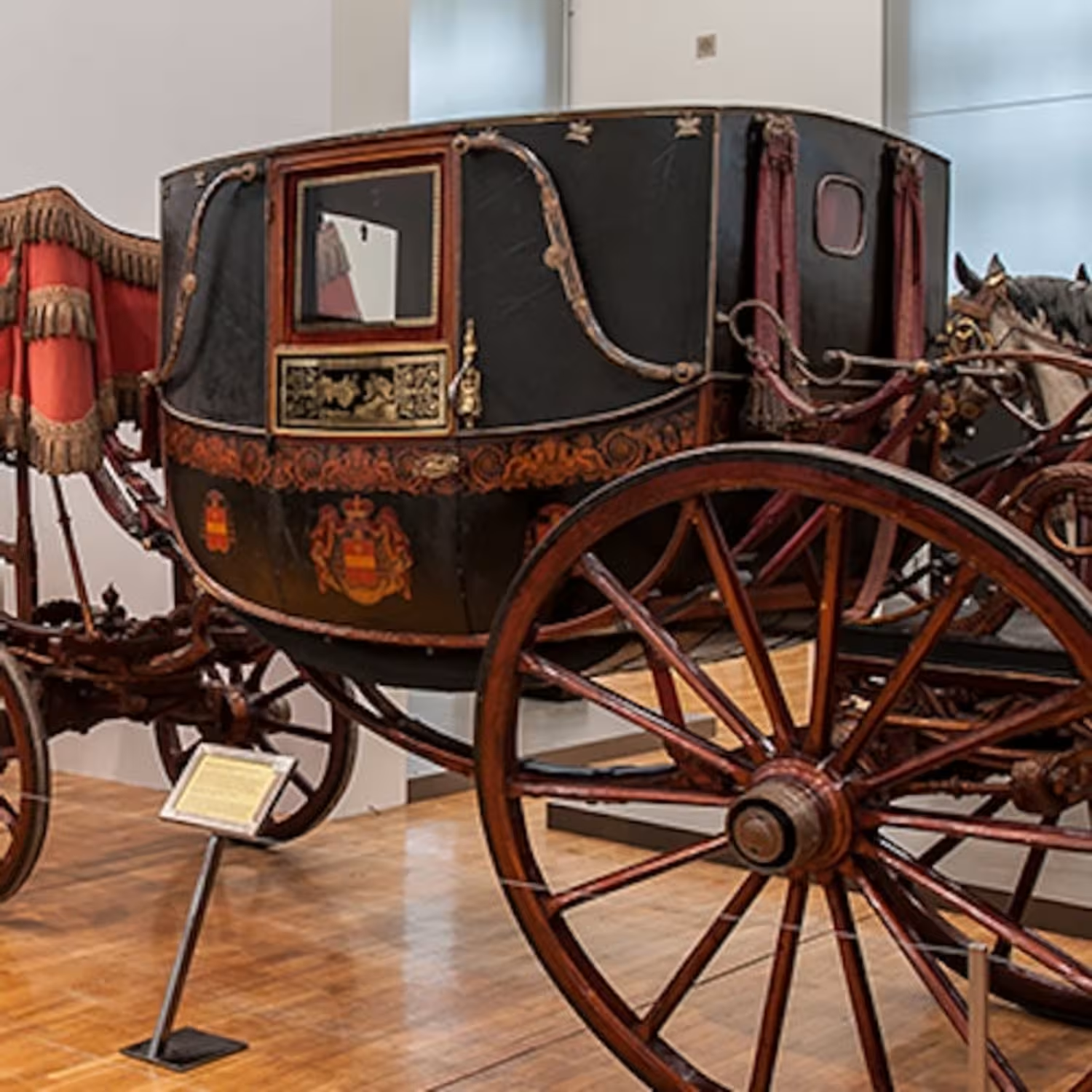
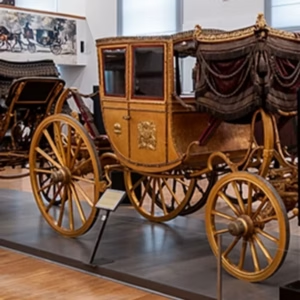
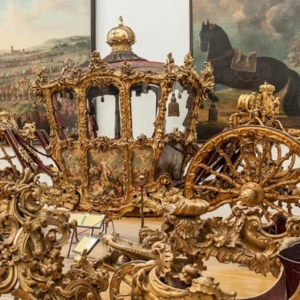
Admire more than 60 carriages and sleds of significant historical importance.
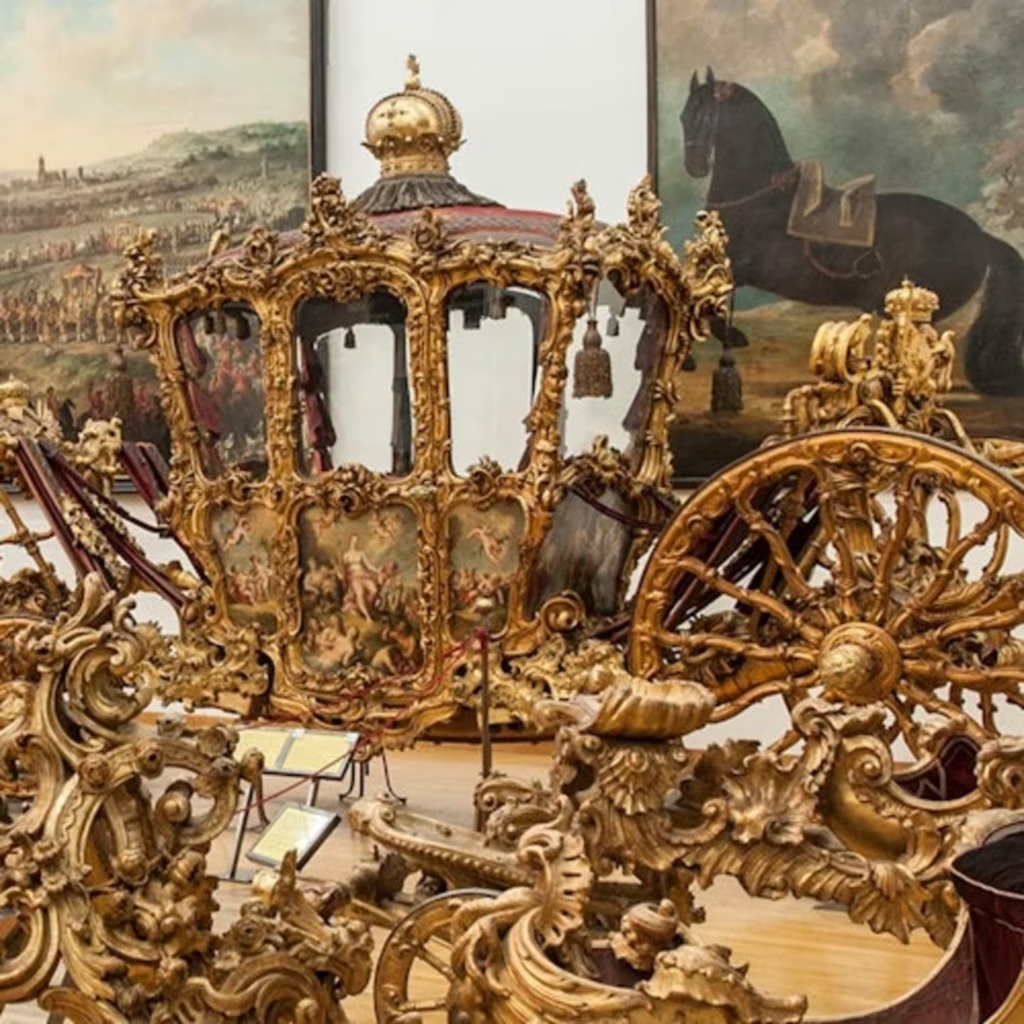
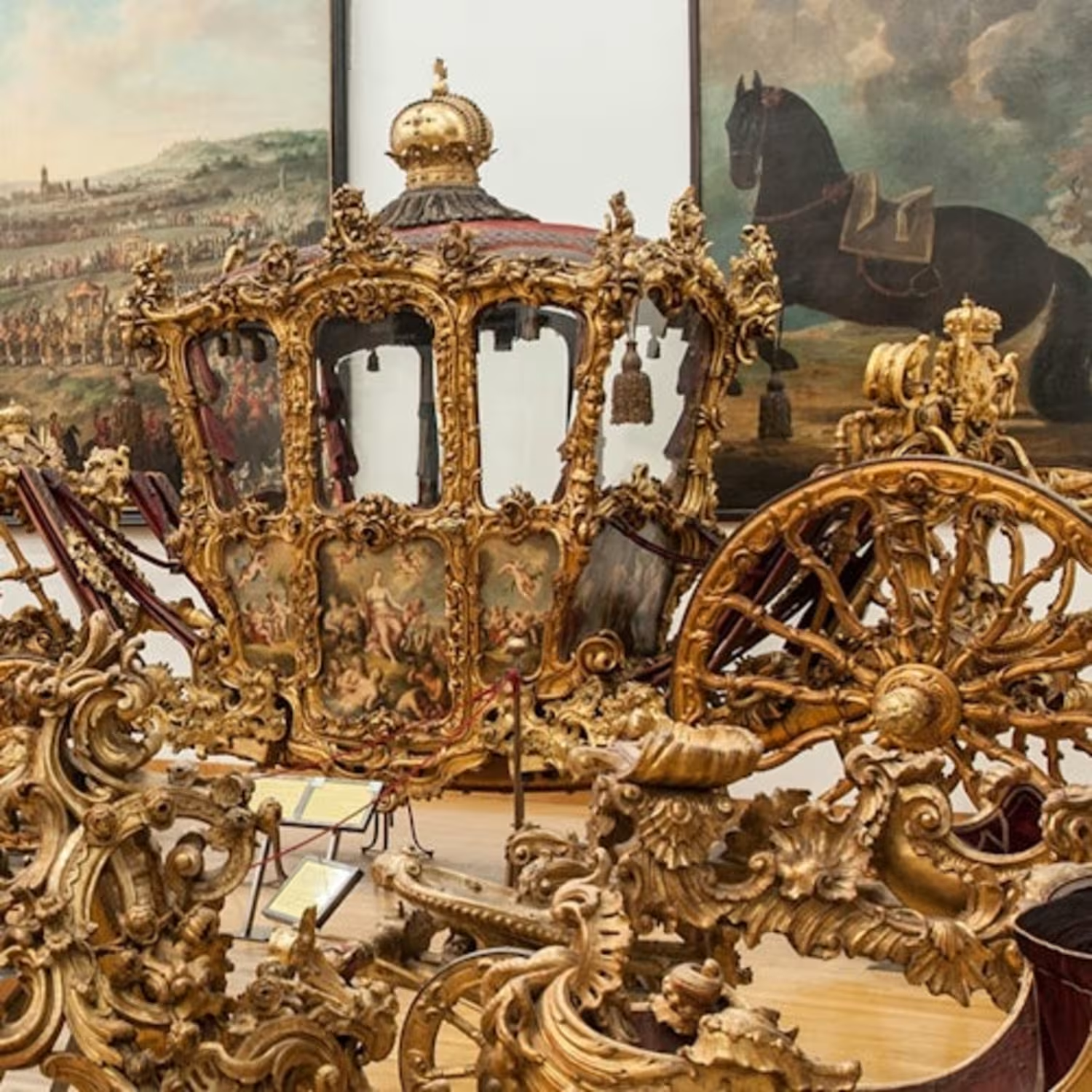
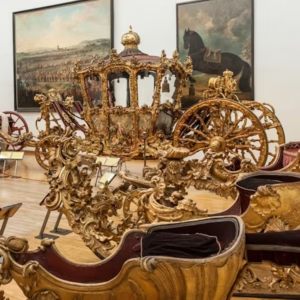
Visit the former Winter Riding School, where a magnificent Imperial Coach is on display.
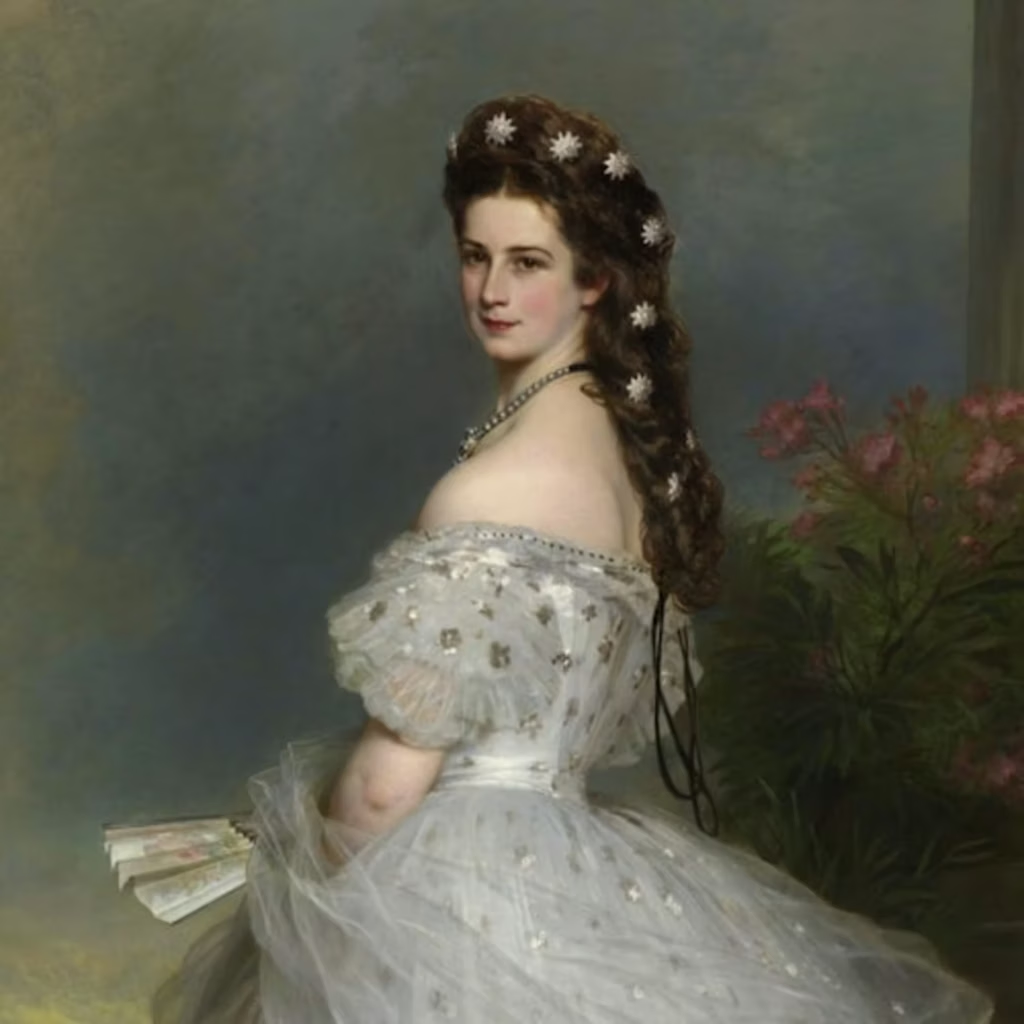
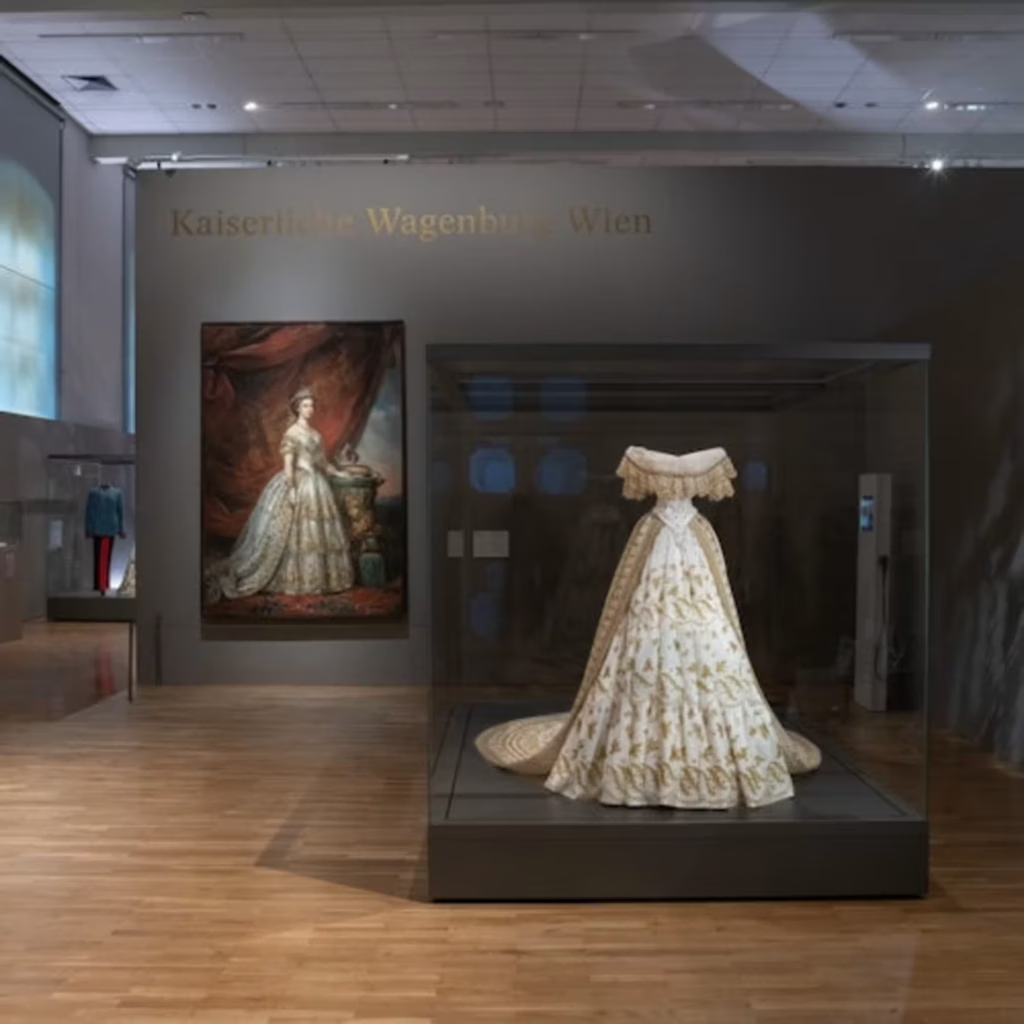
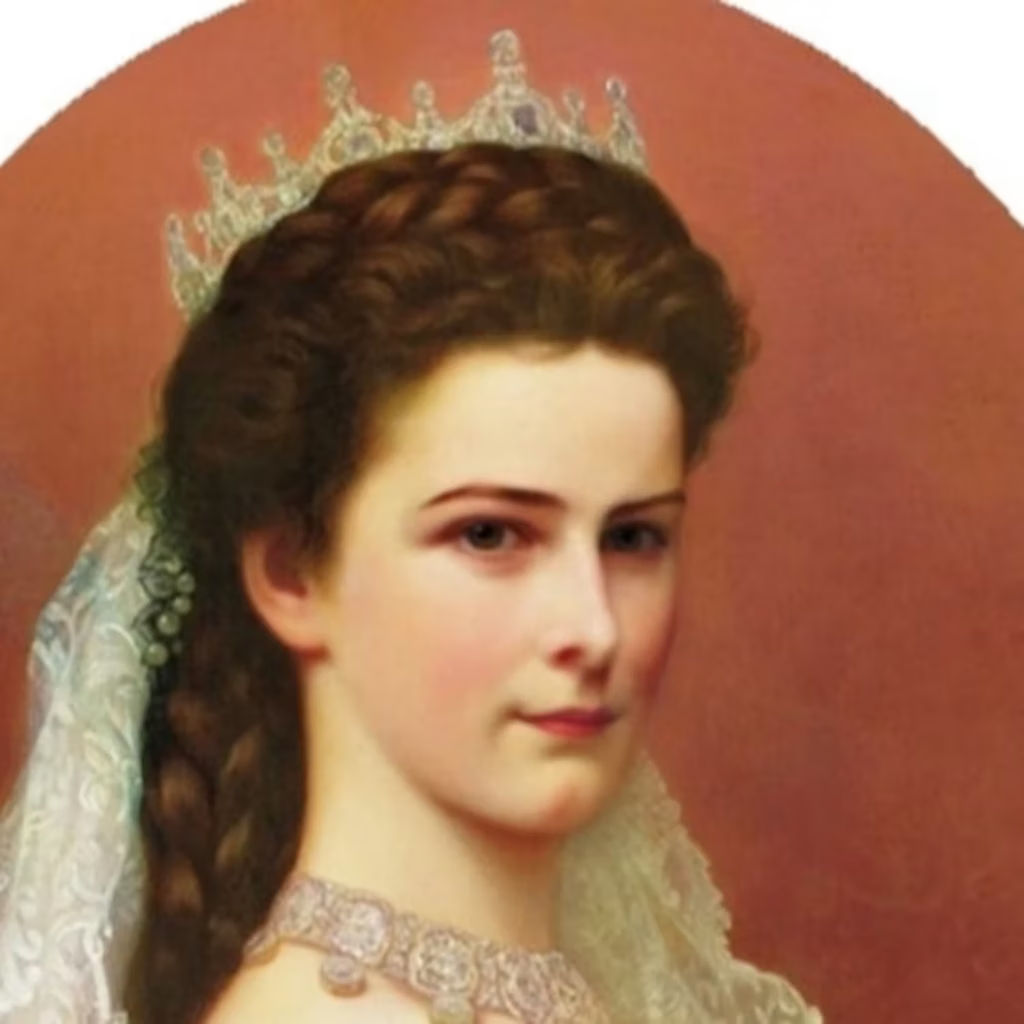
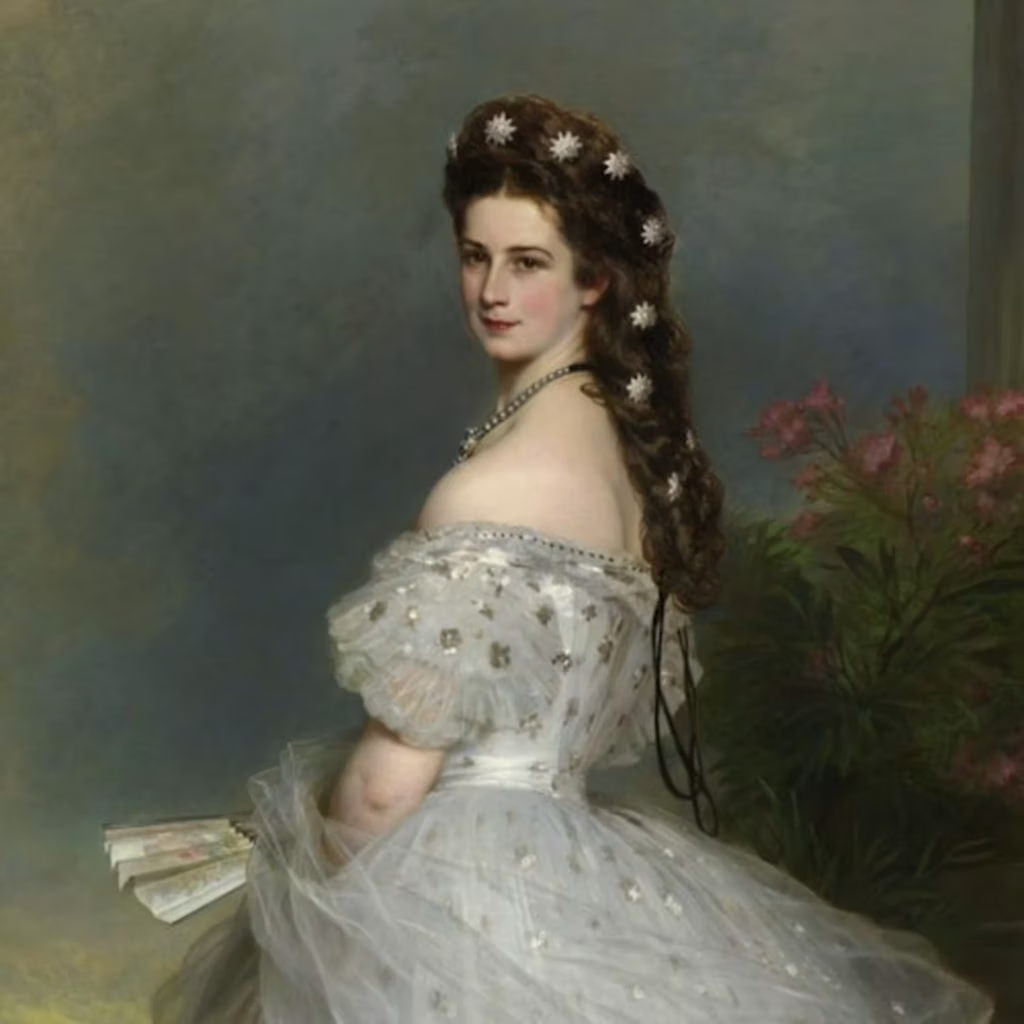
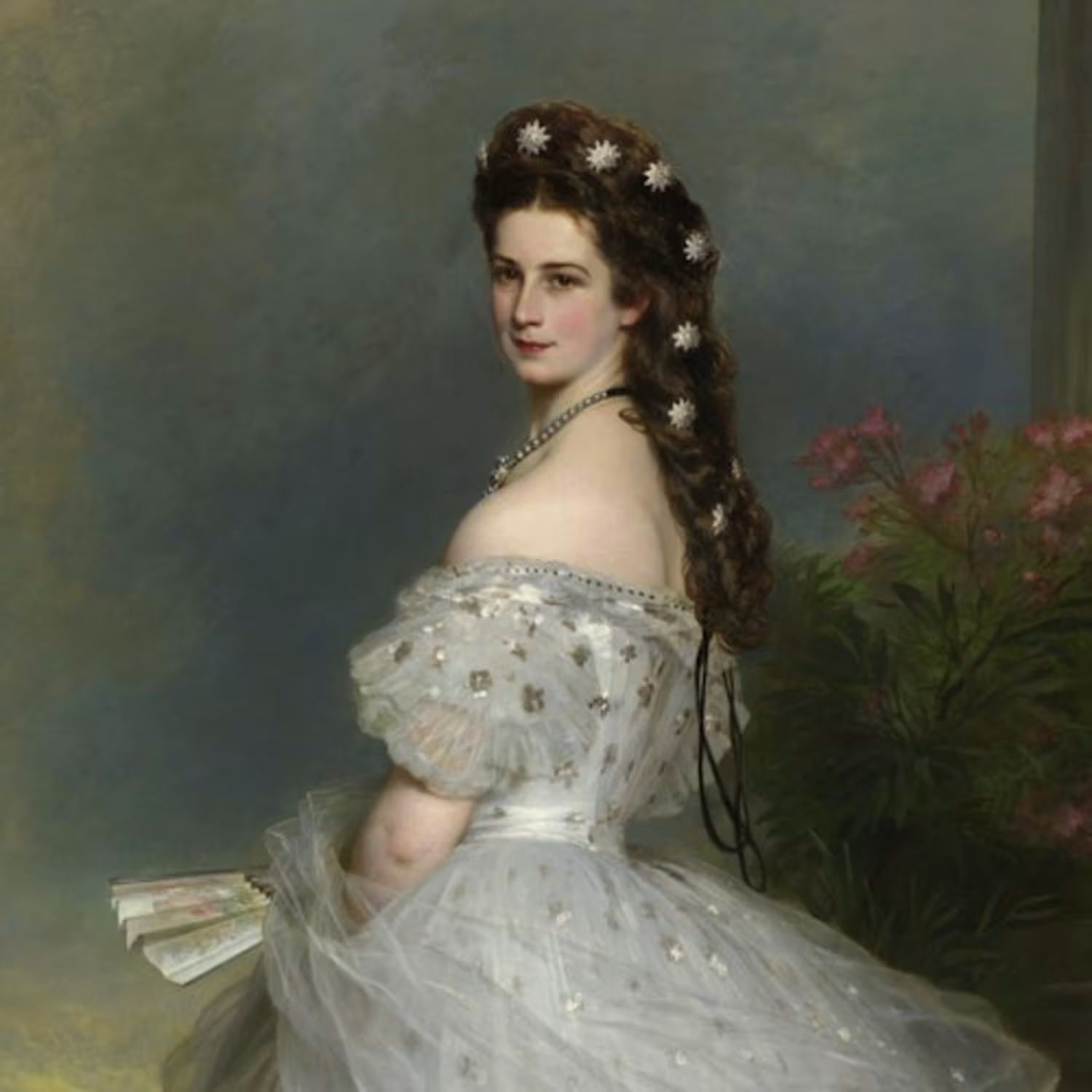
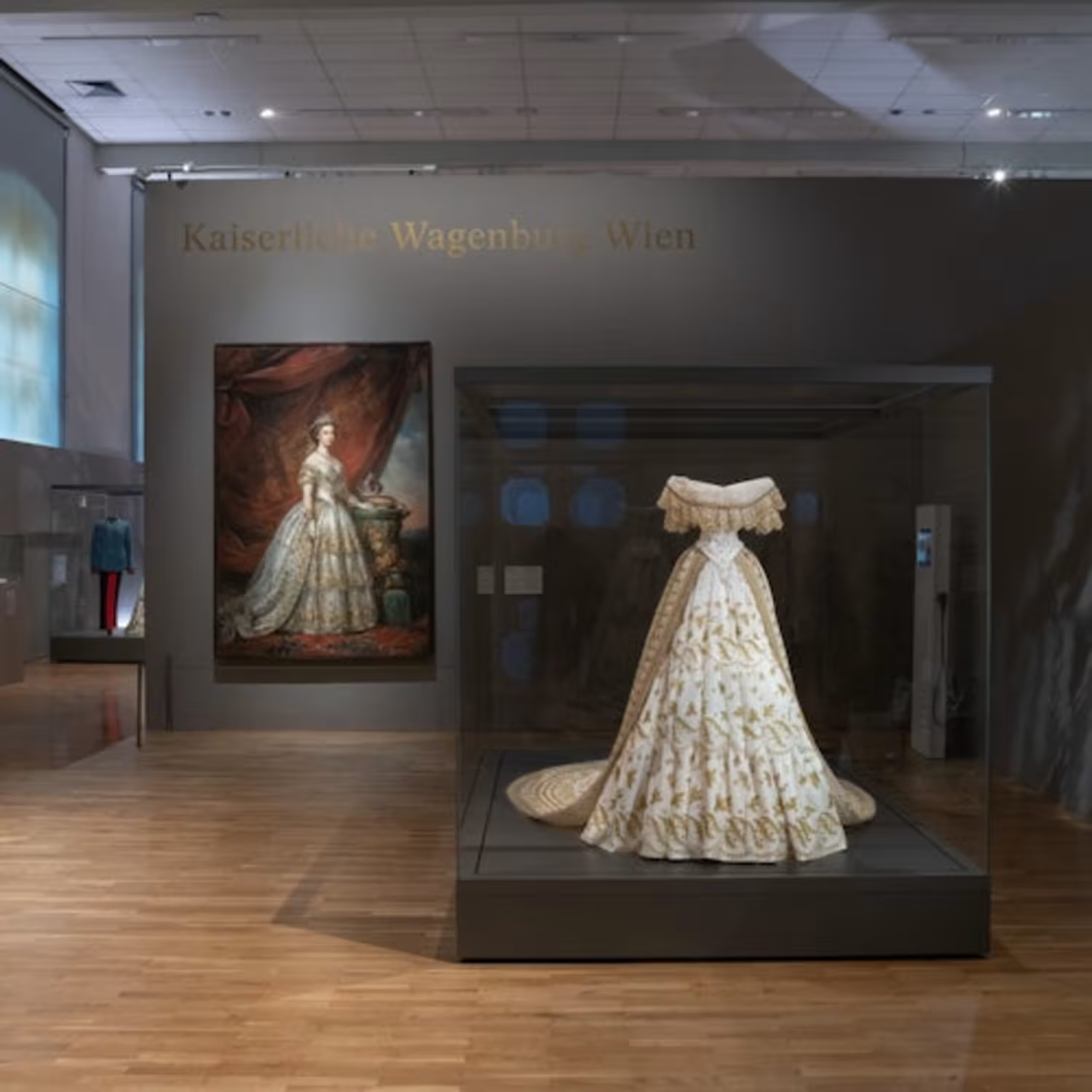
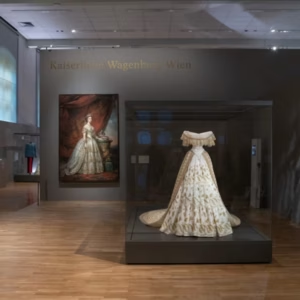
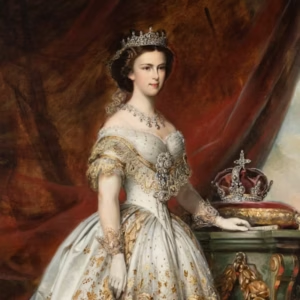
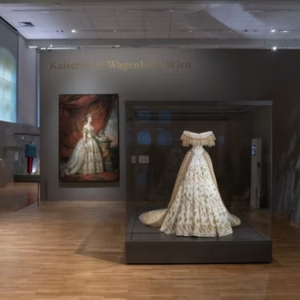
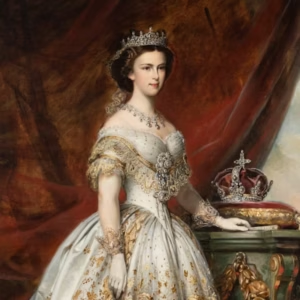
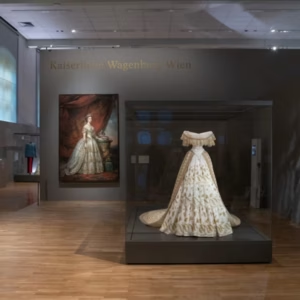
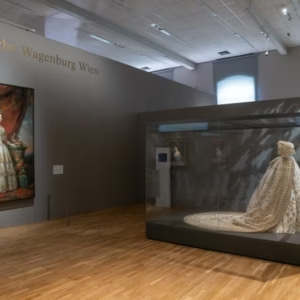
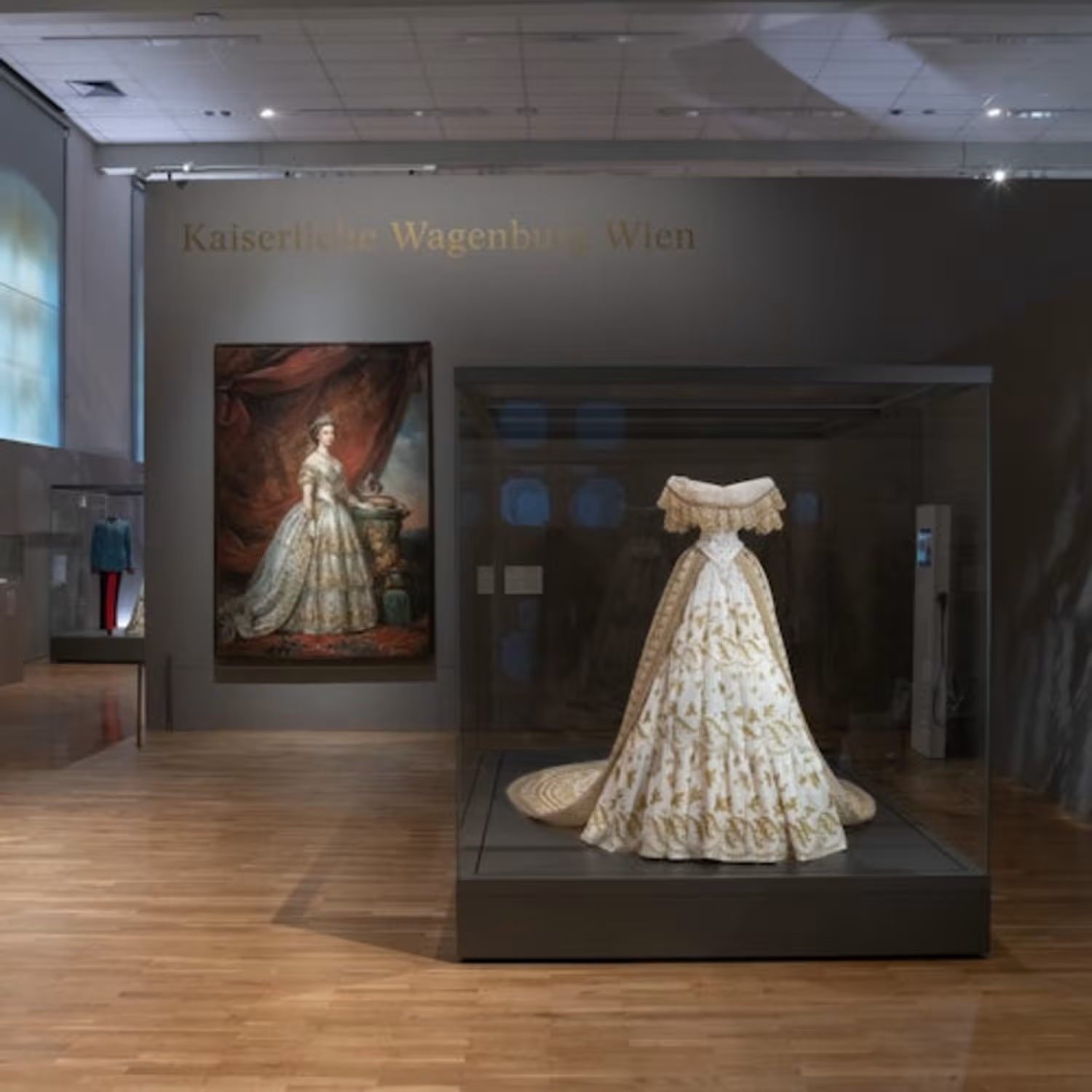
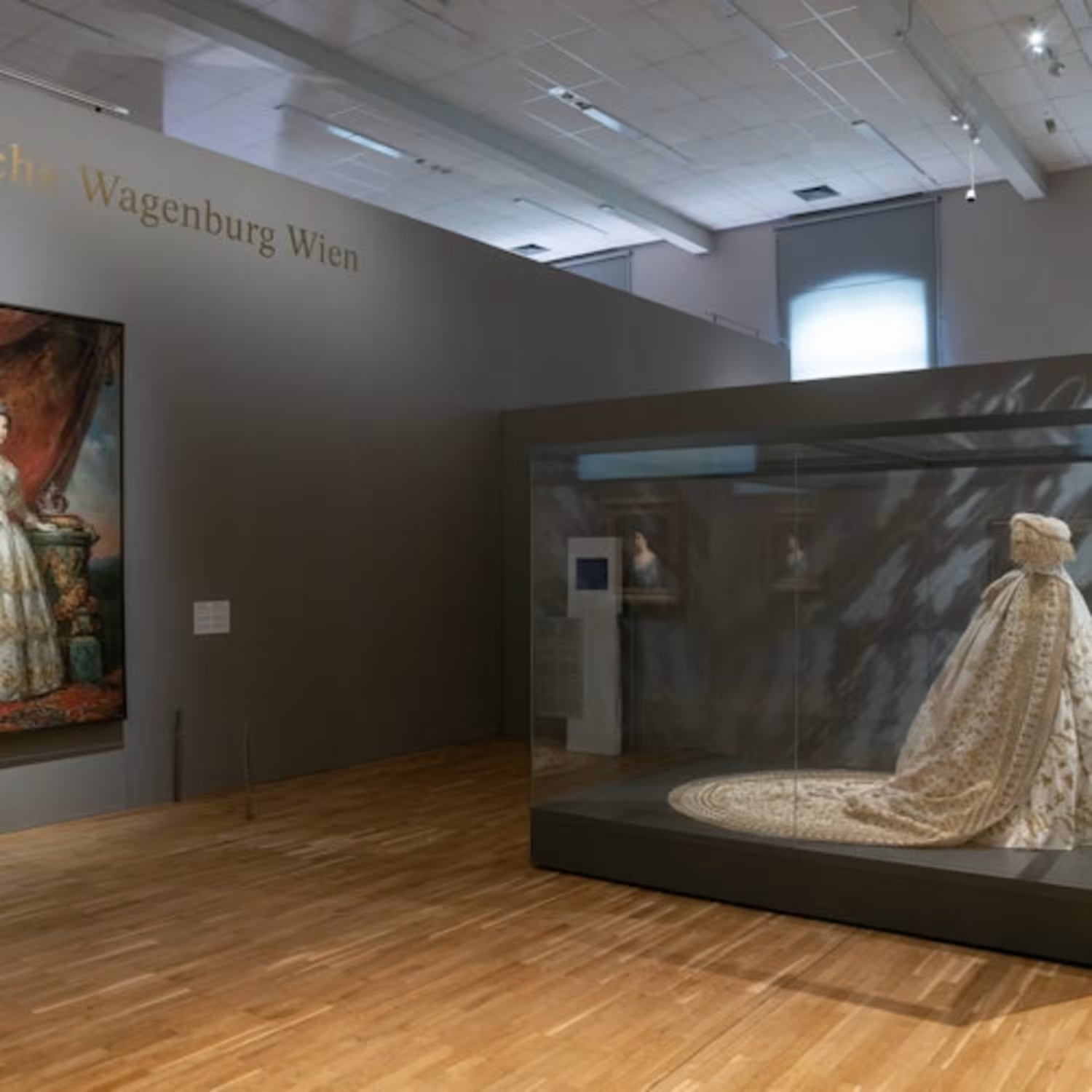
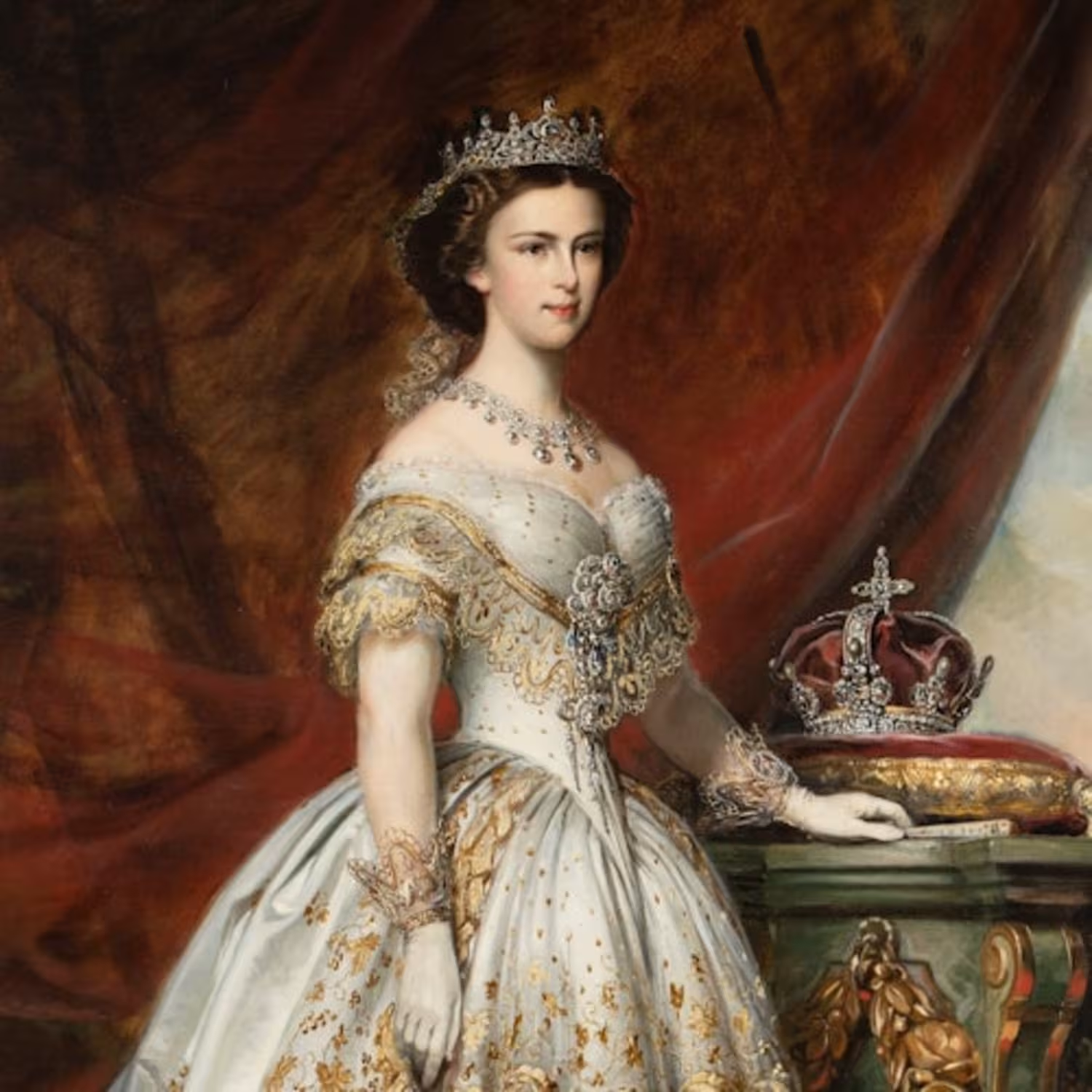
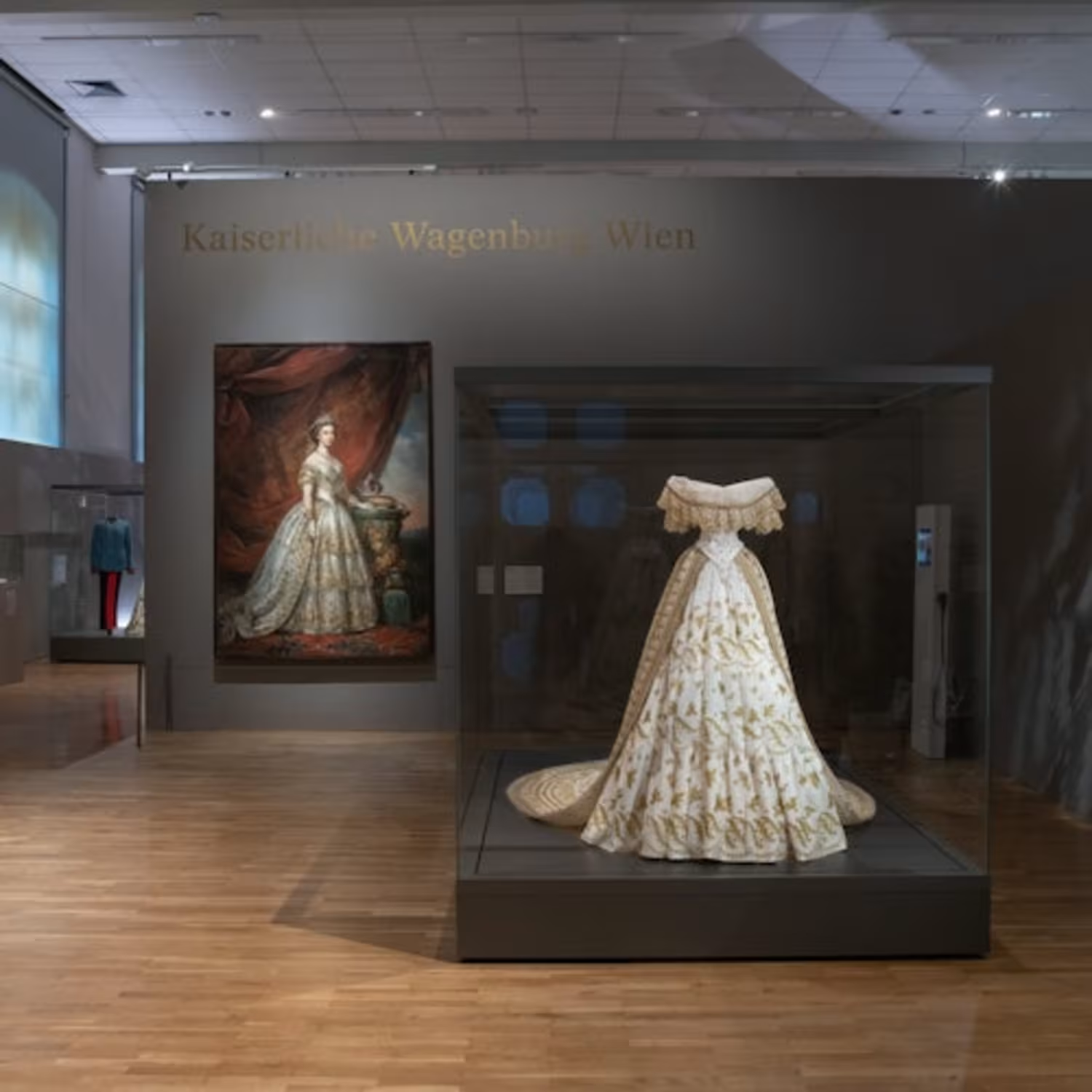
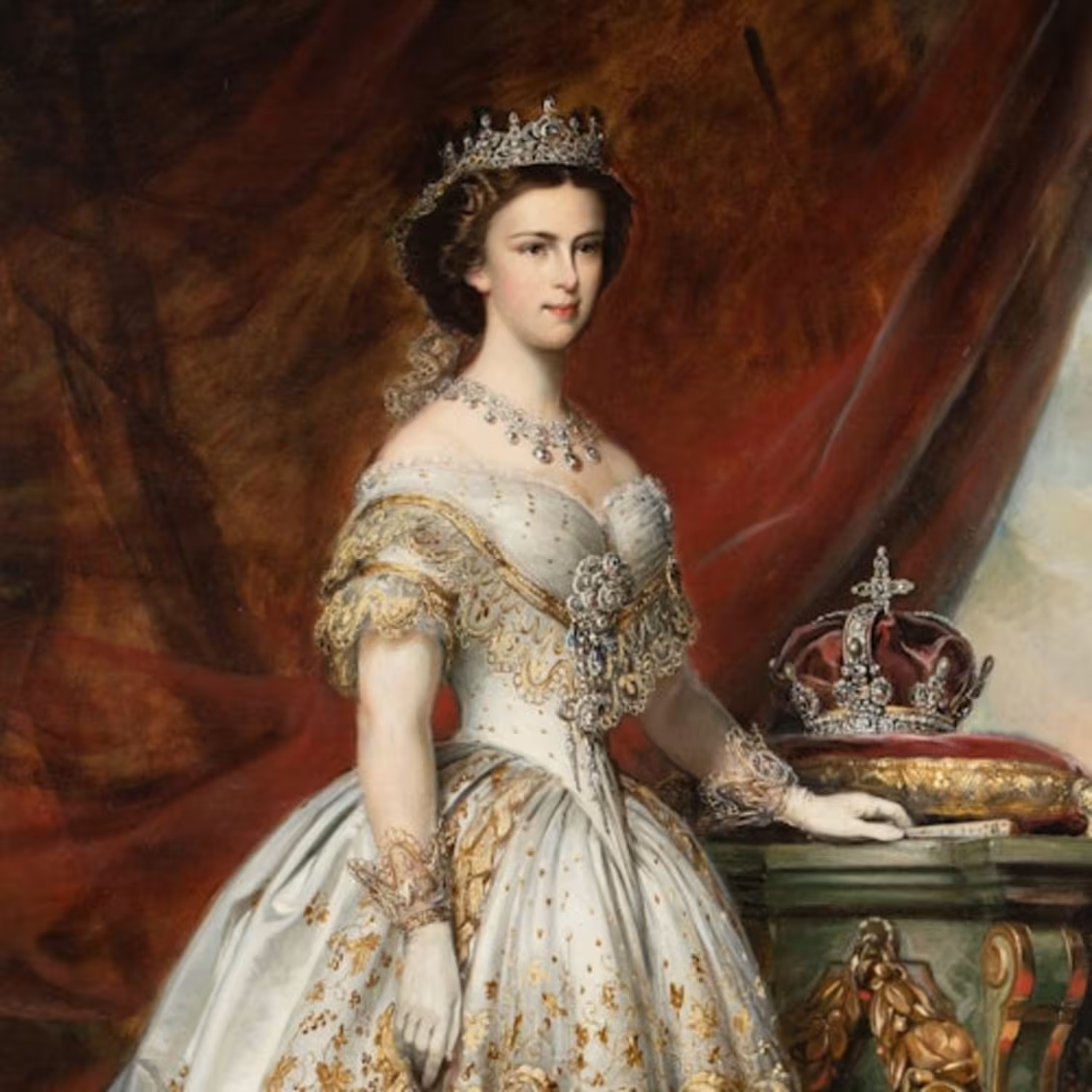
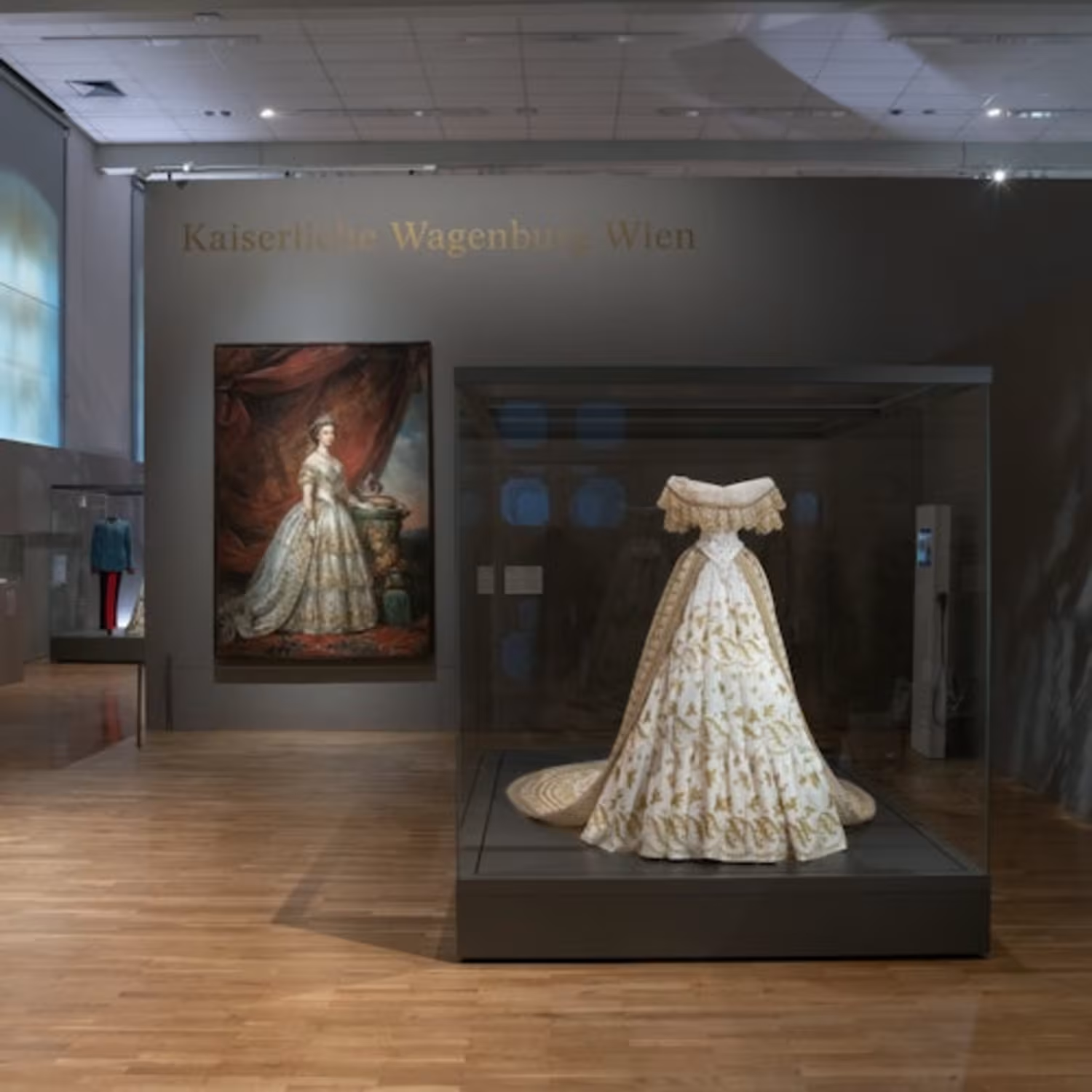
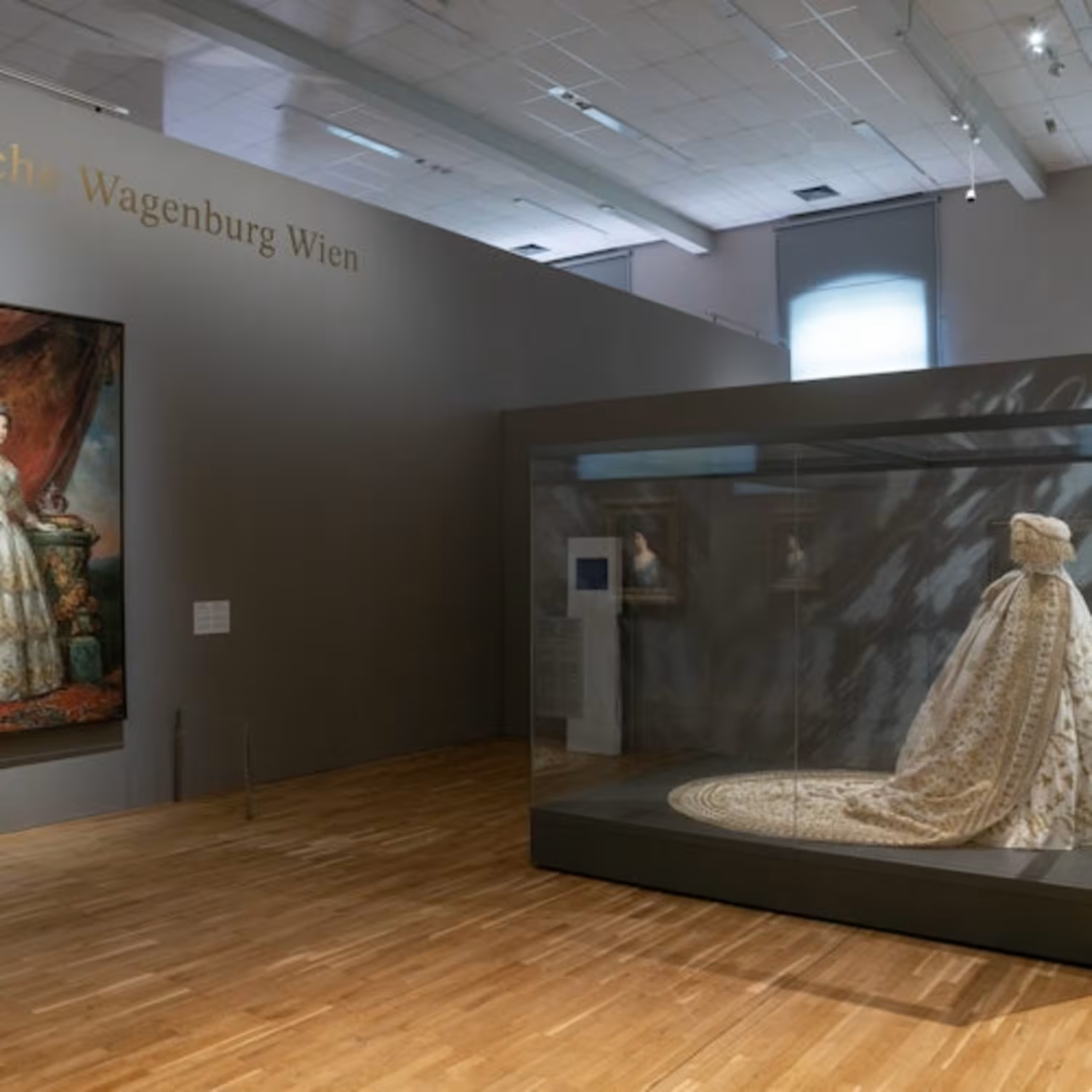
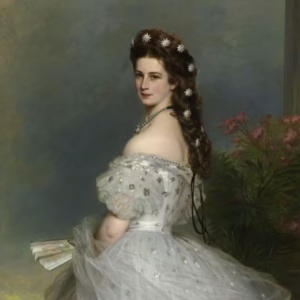
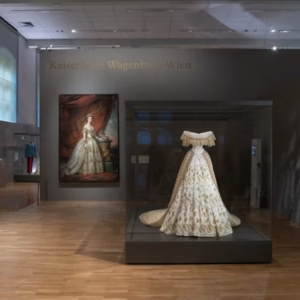
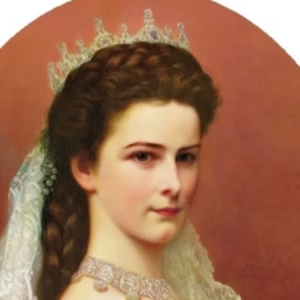
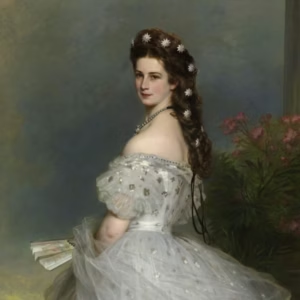
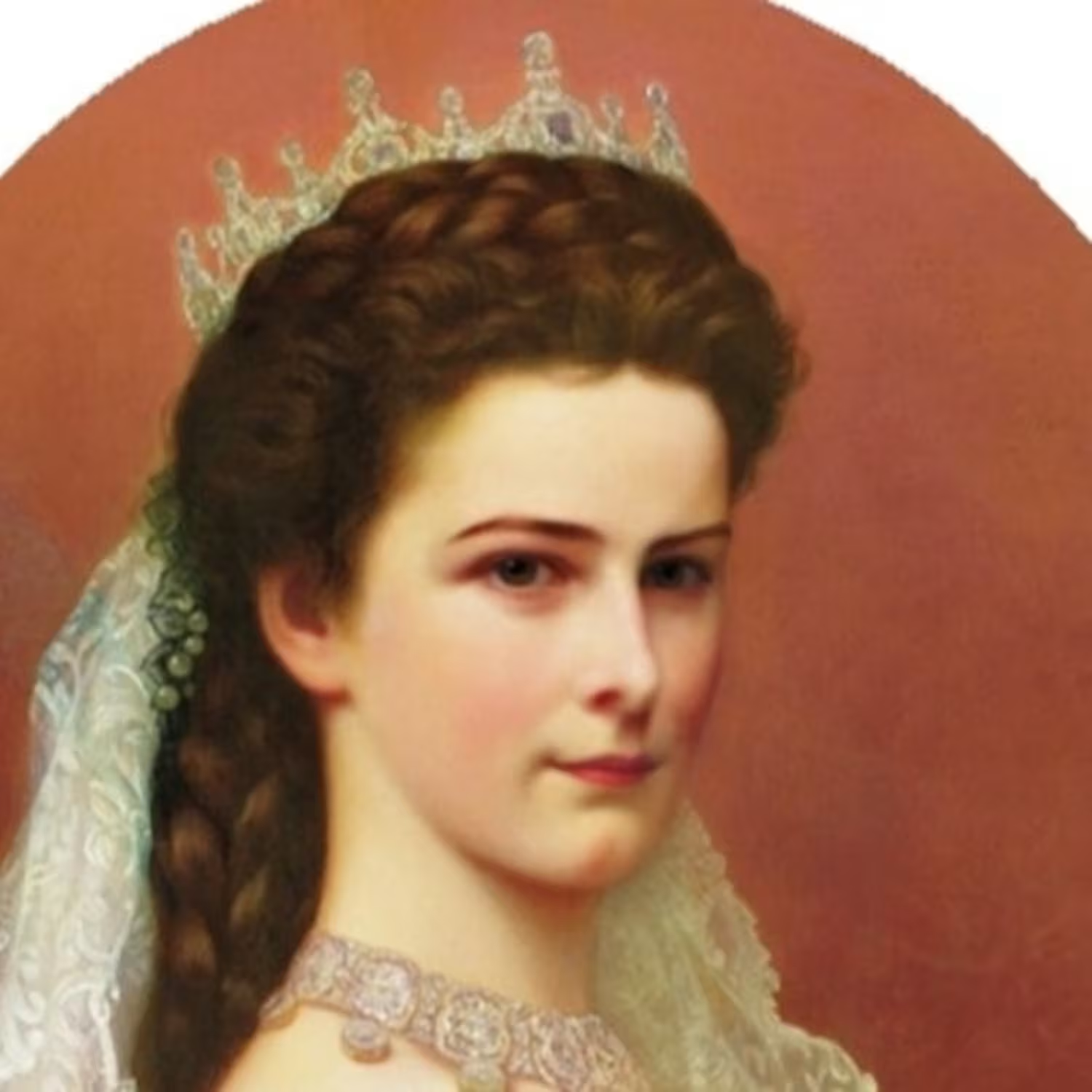
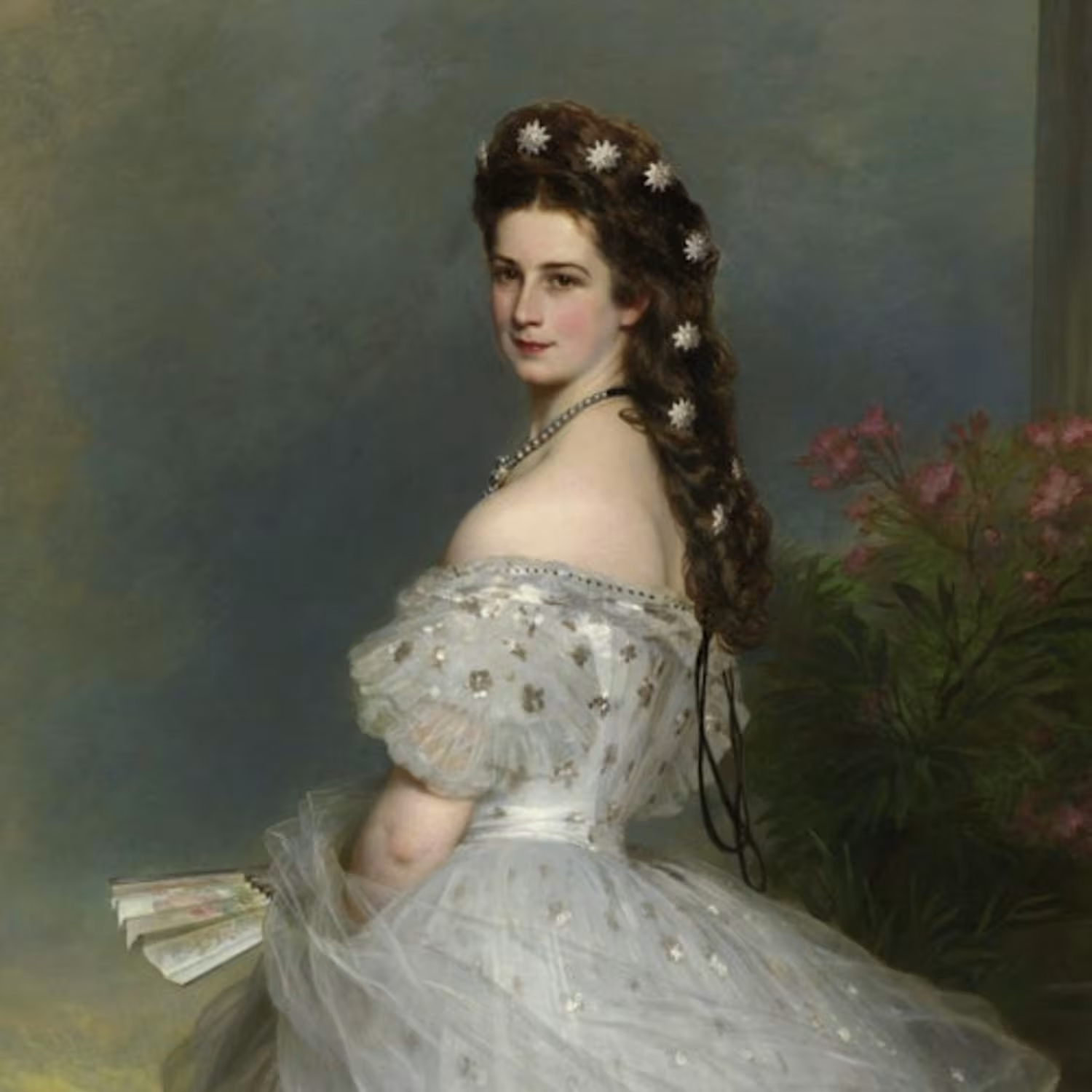
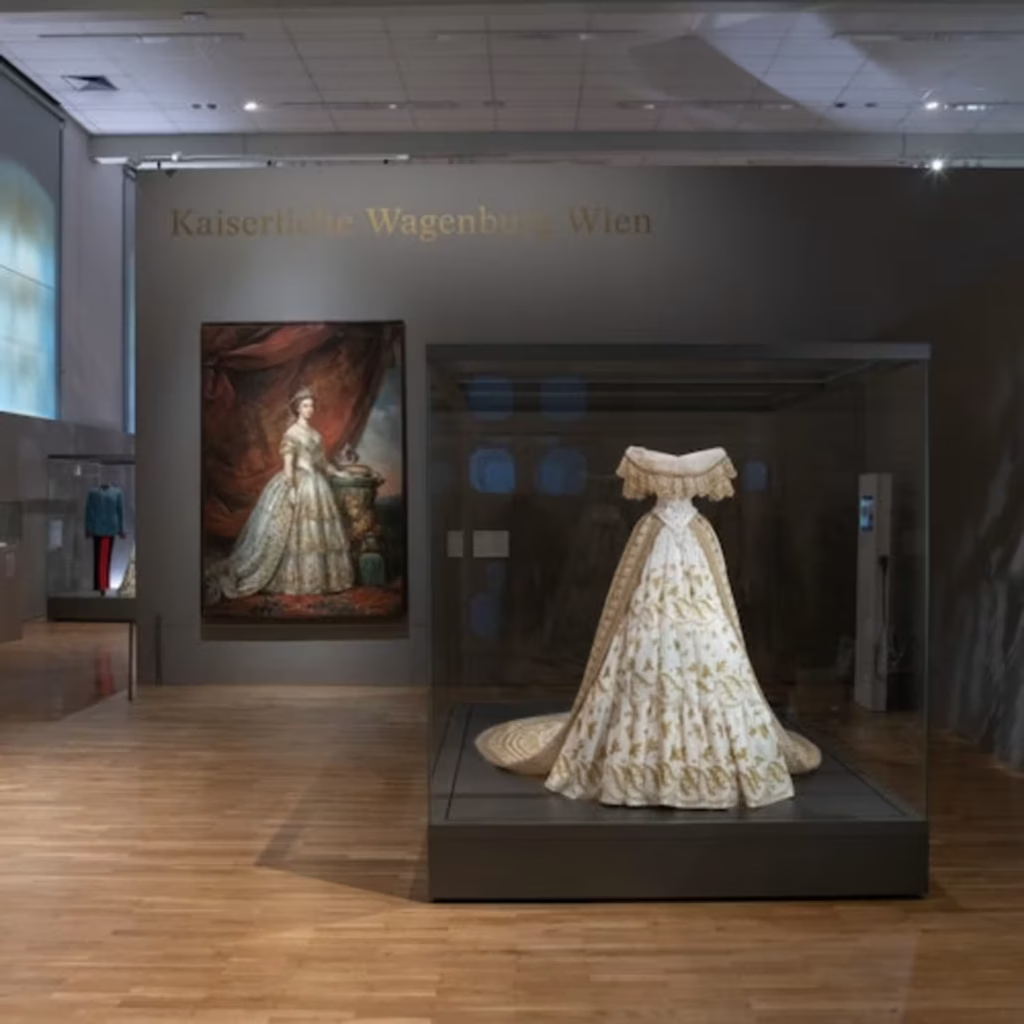
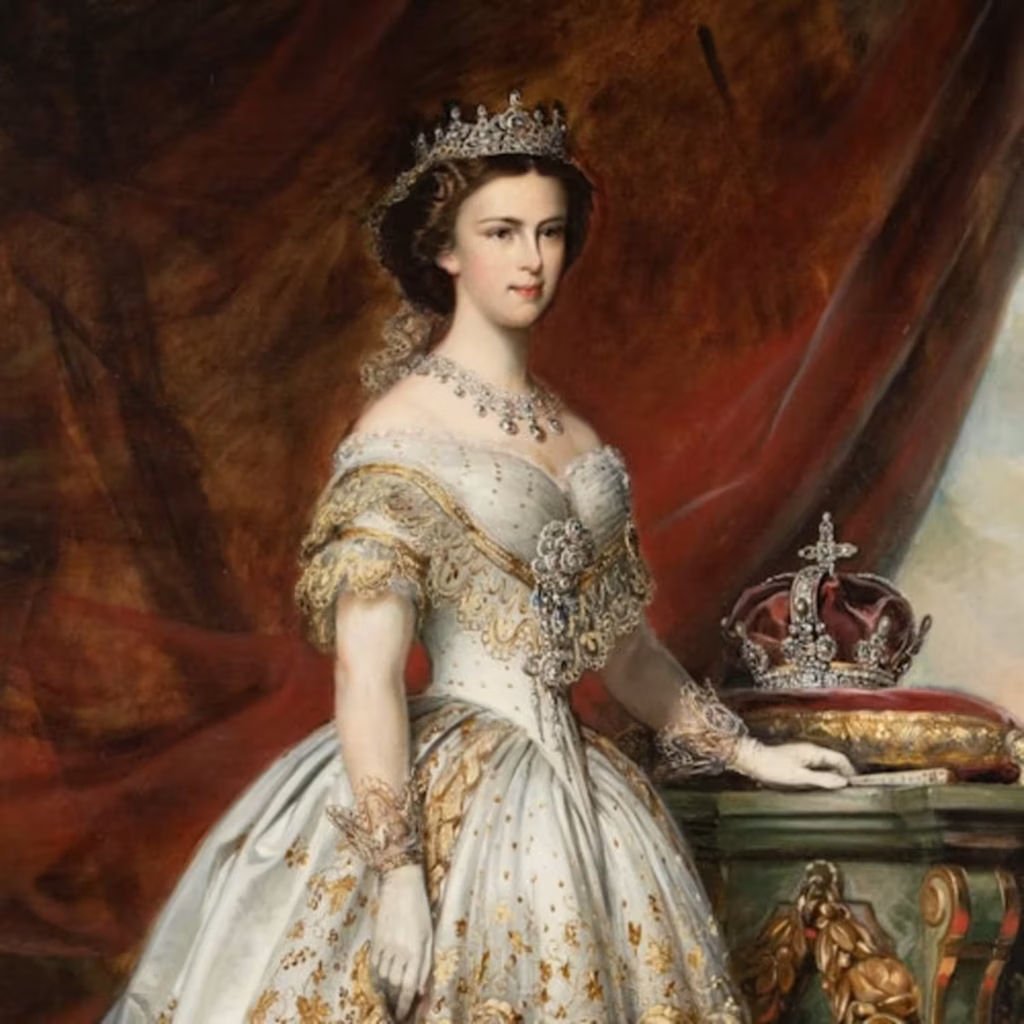
Discover the exclusive Sisi Trail, featuring carriages and personal items belonging to Empress Elisabeth.
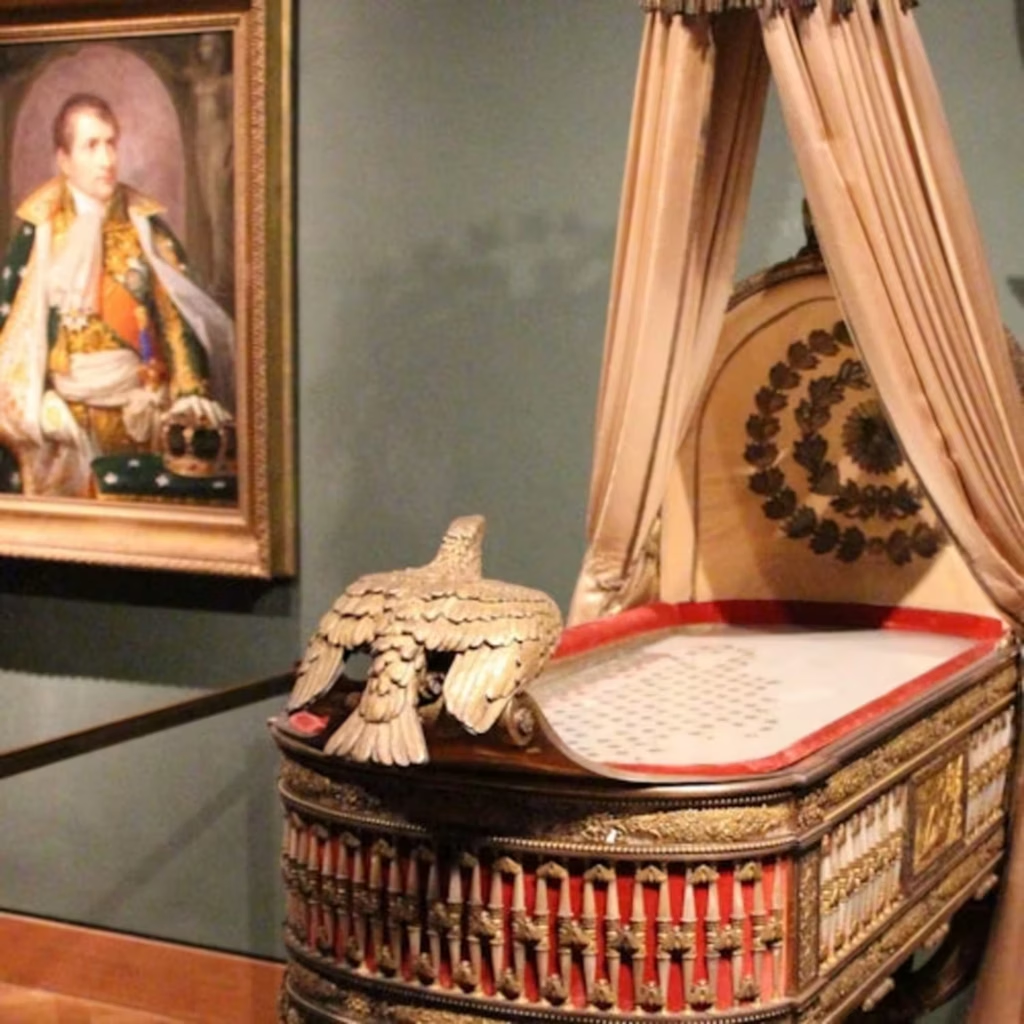
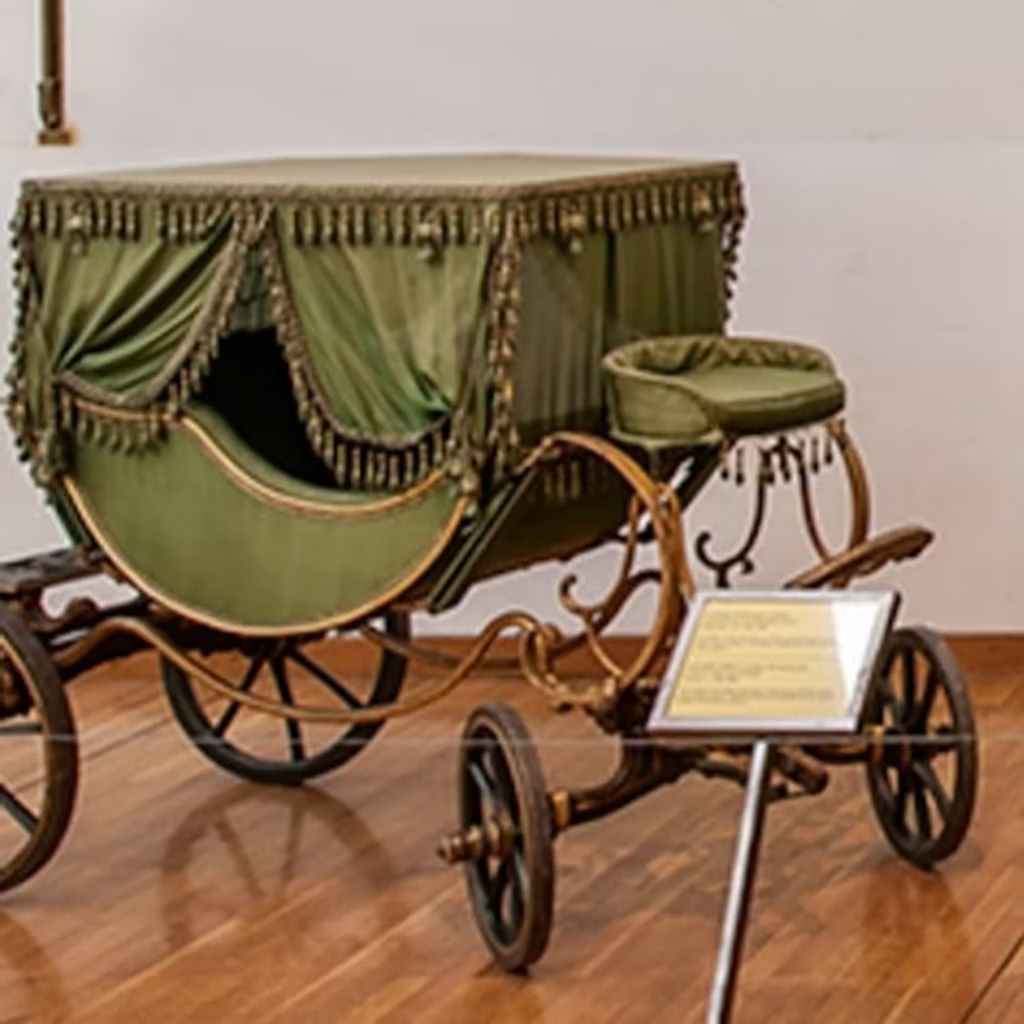
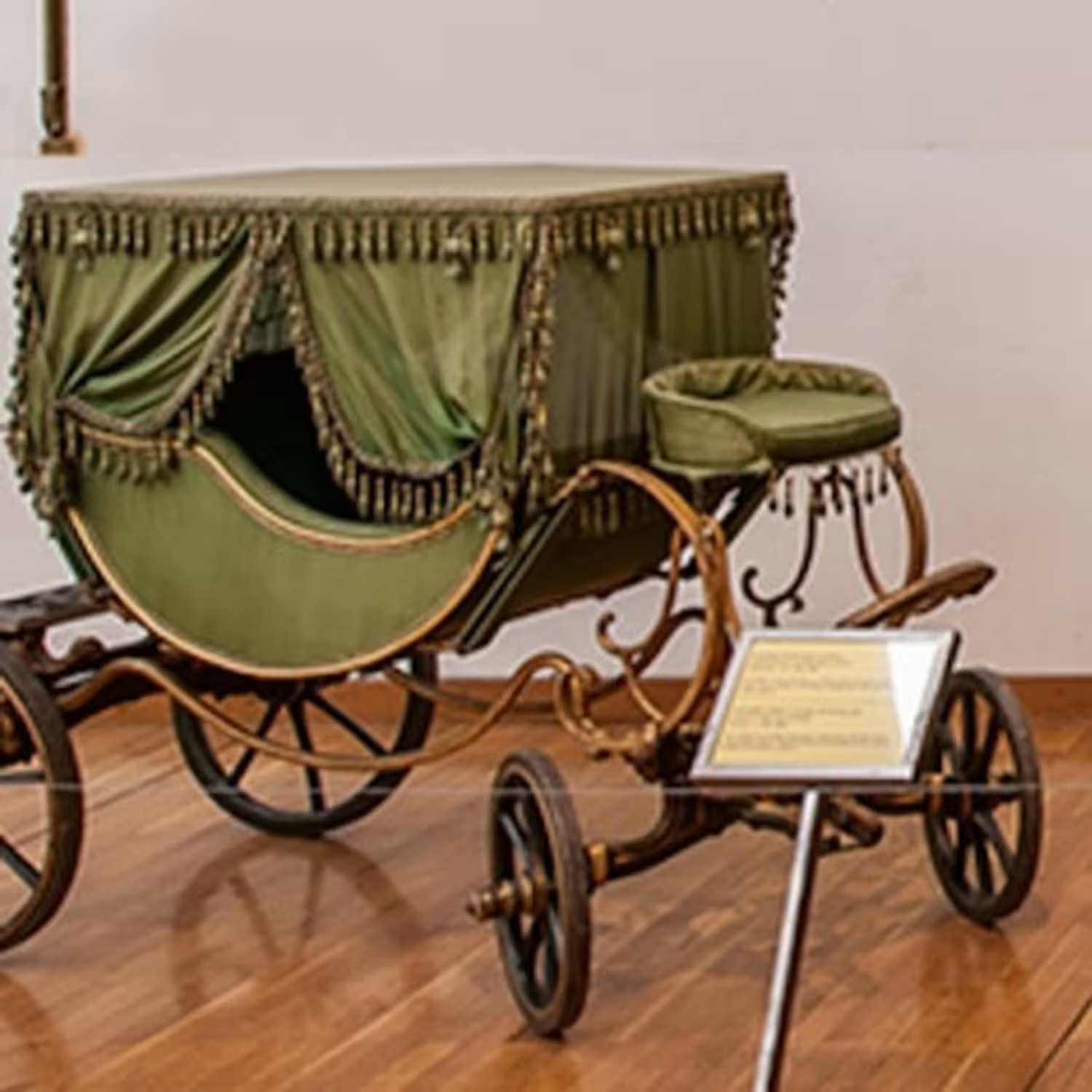
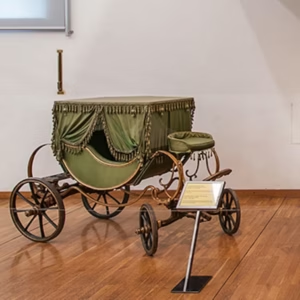
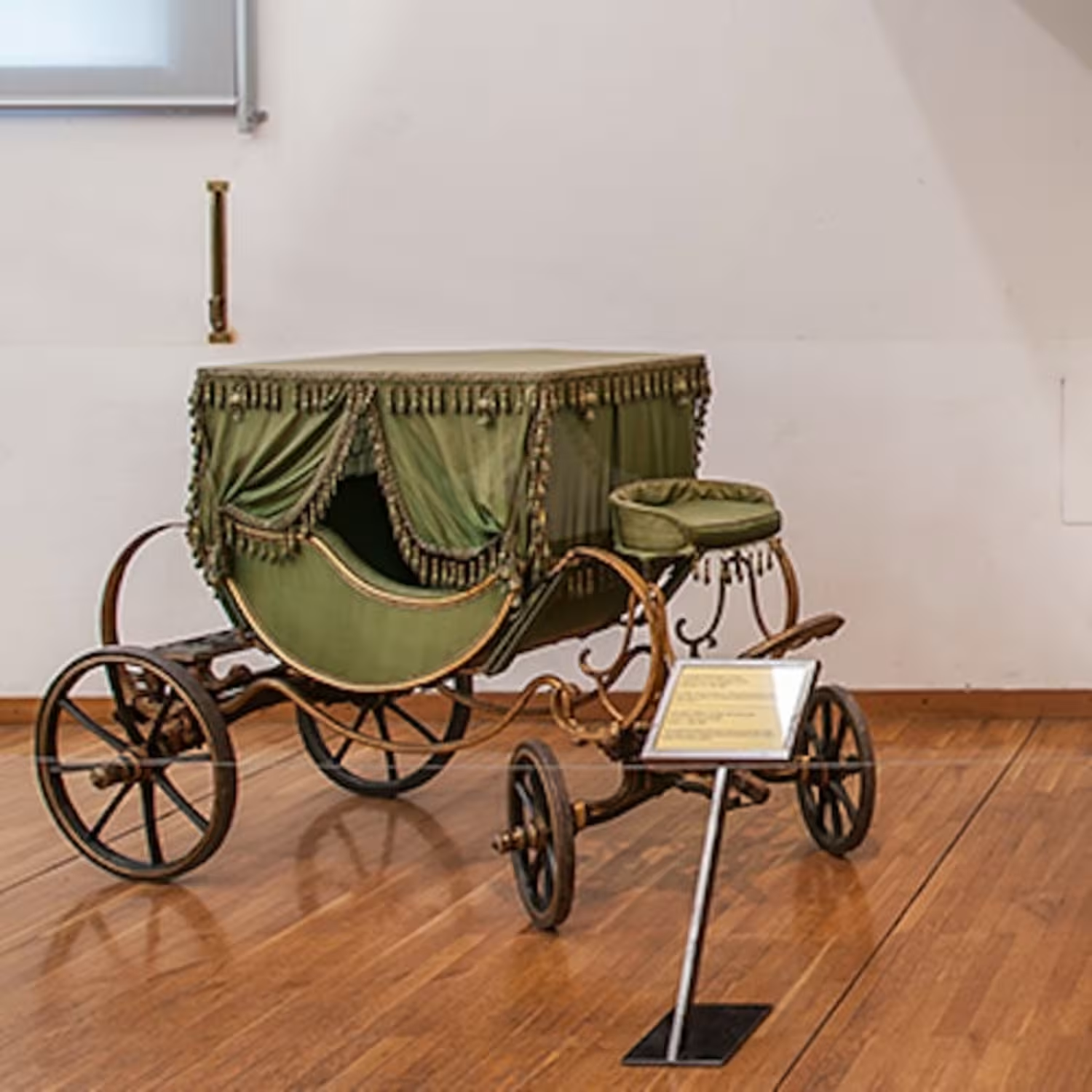
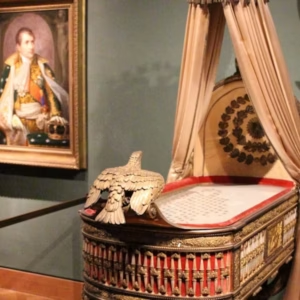
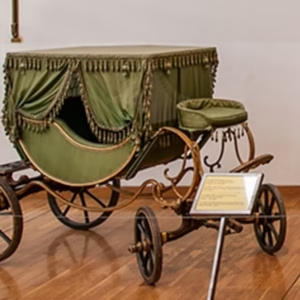
Observe luxurious travel carriages and children’s coaches belonging to the Habsburg family.
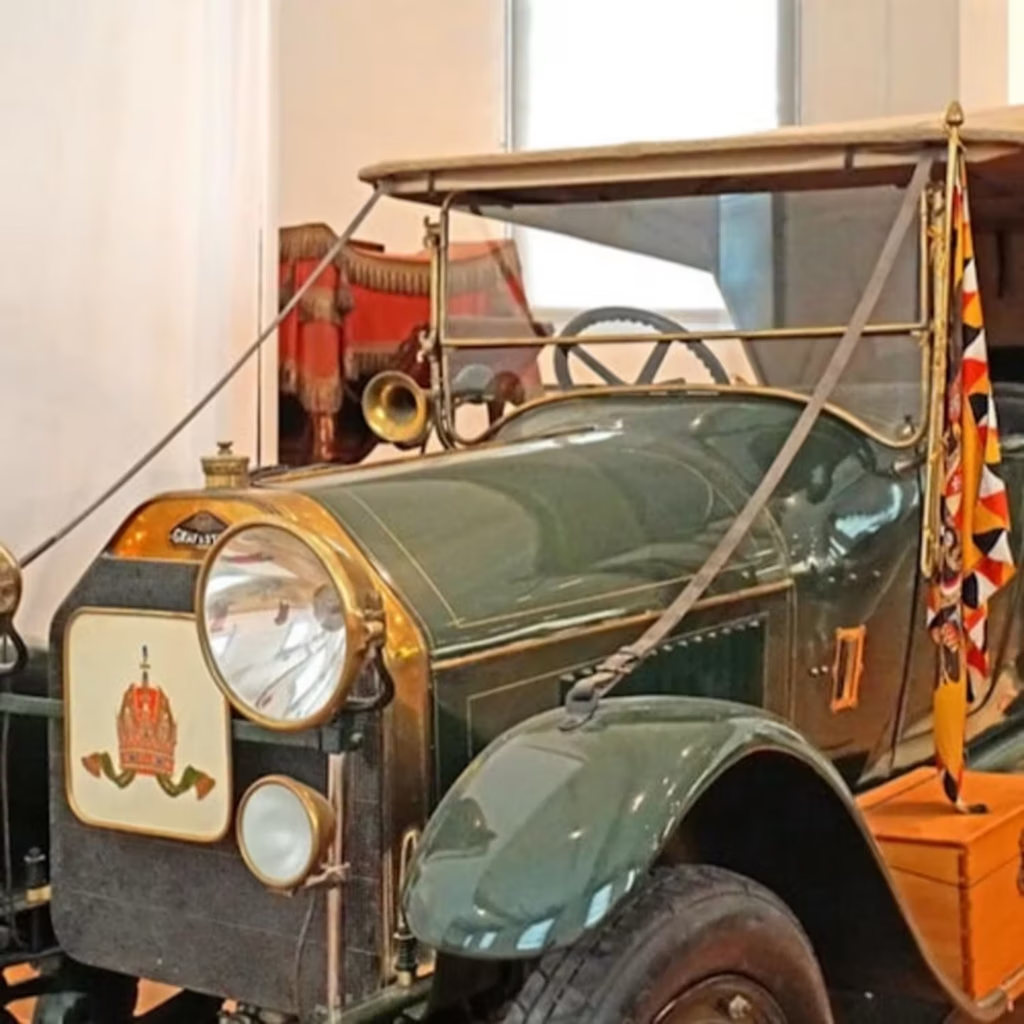
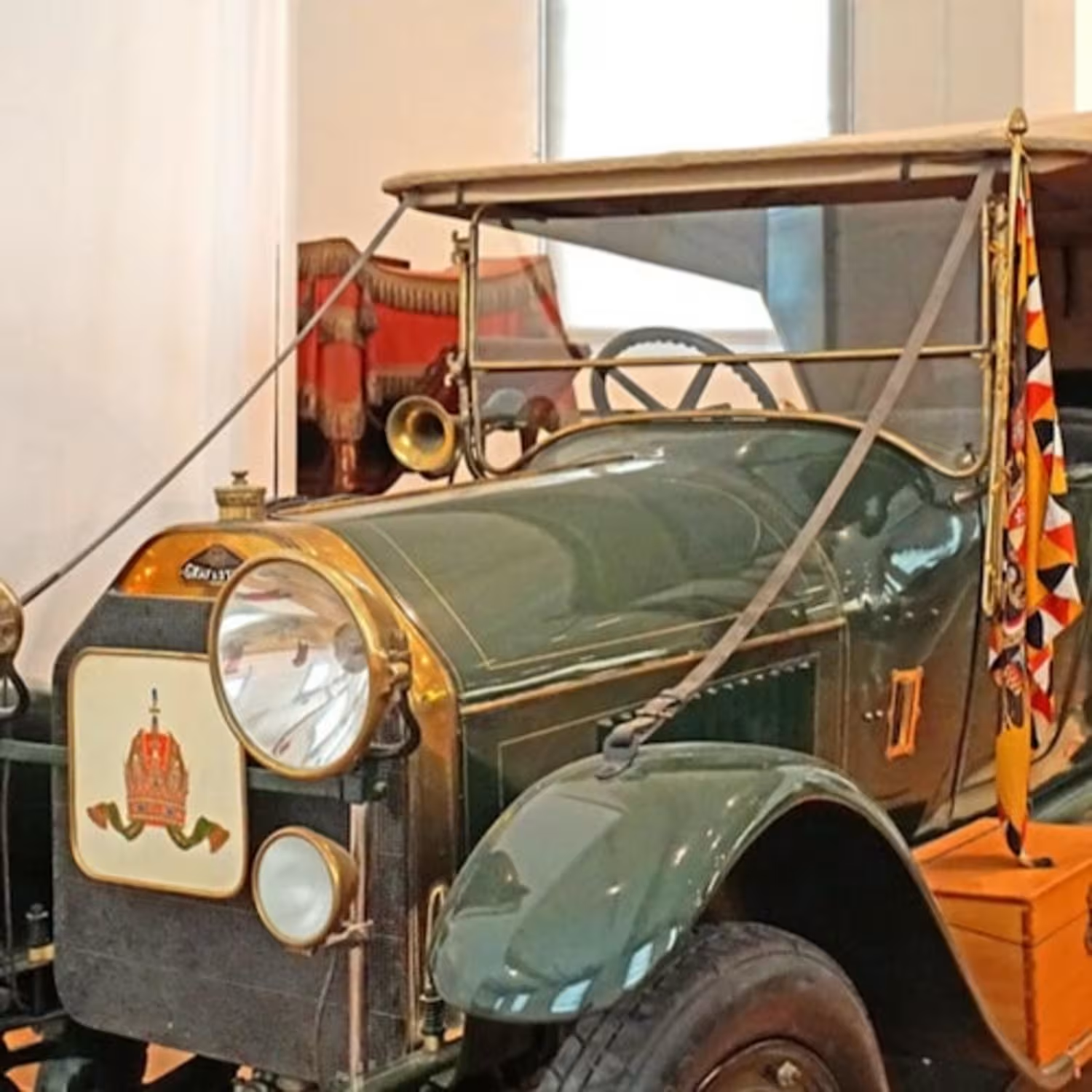
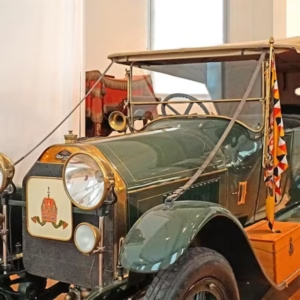
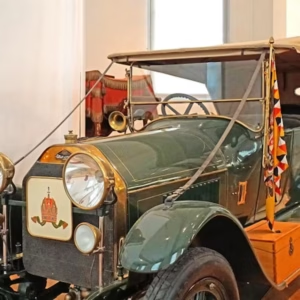
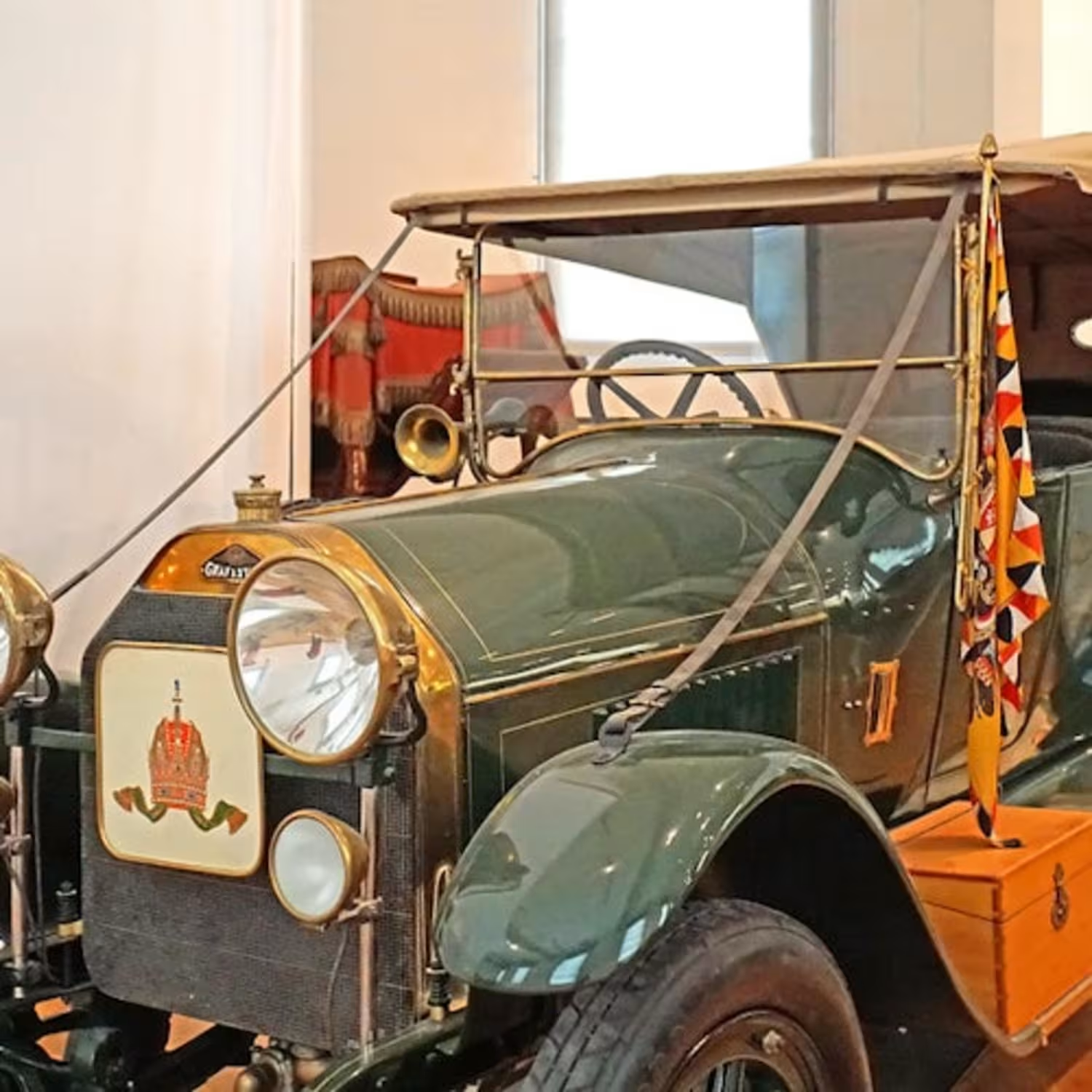
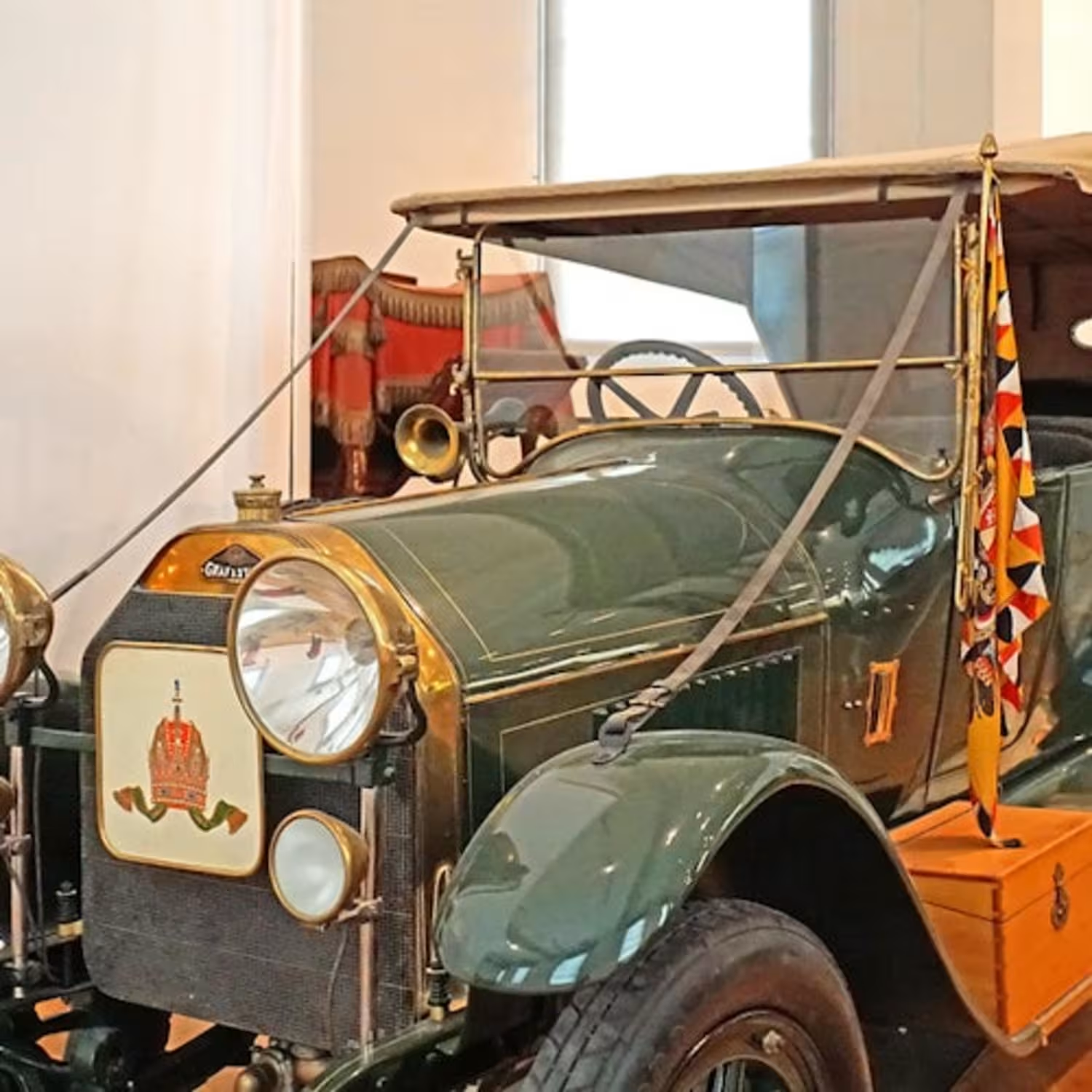
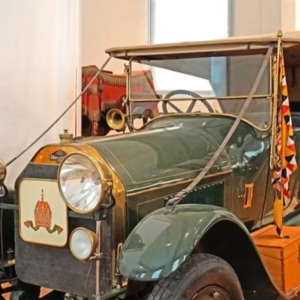
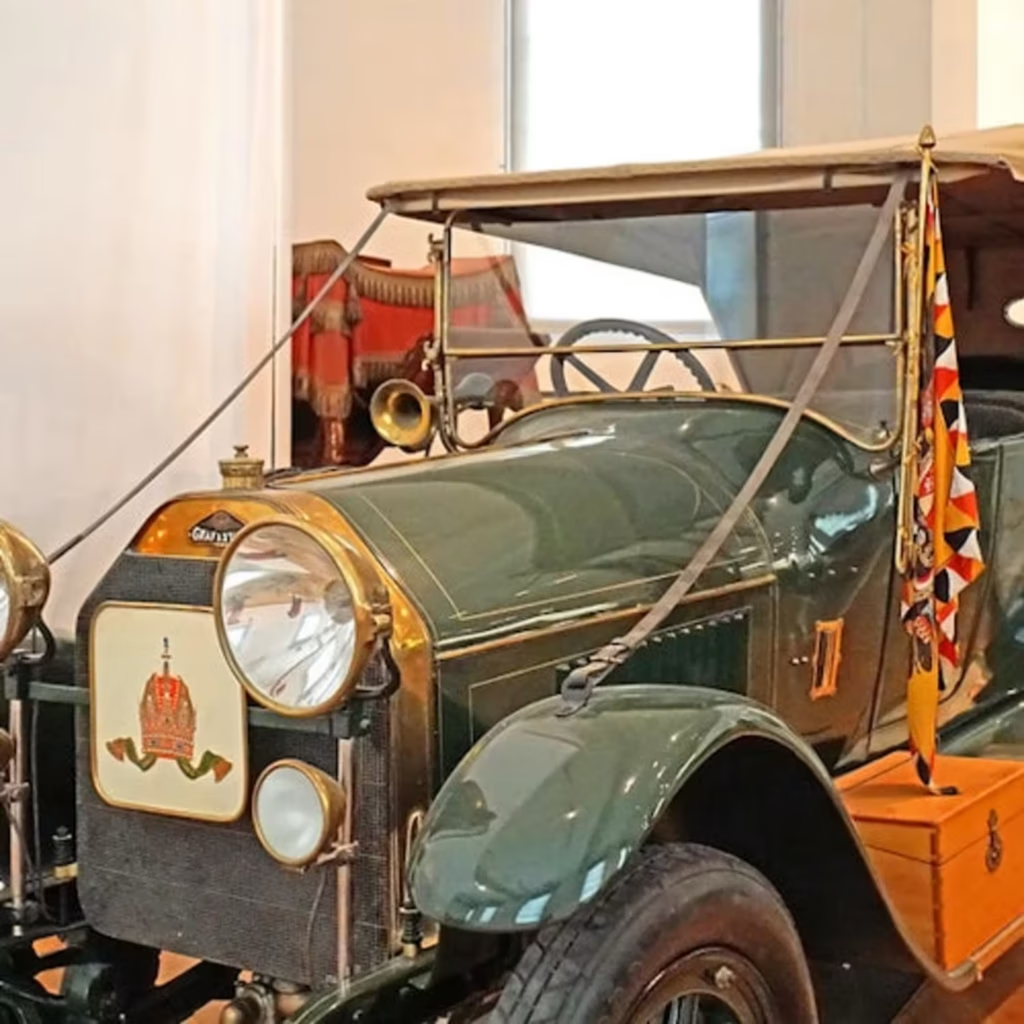
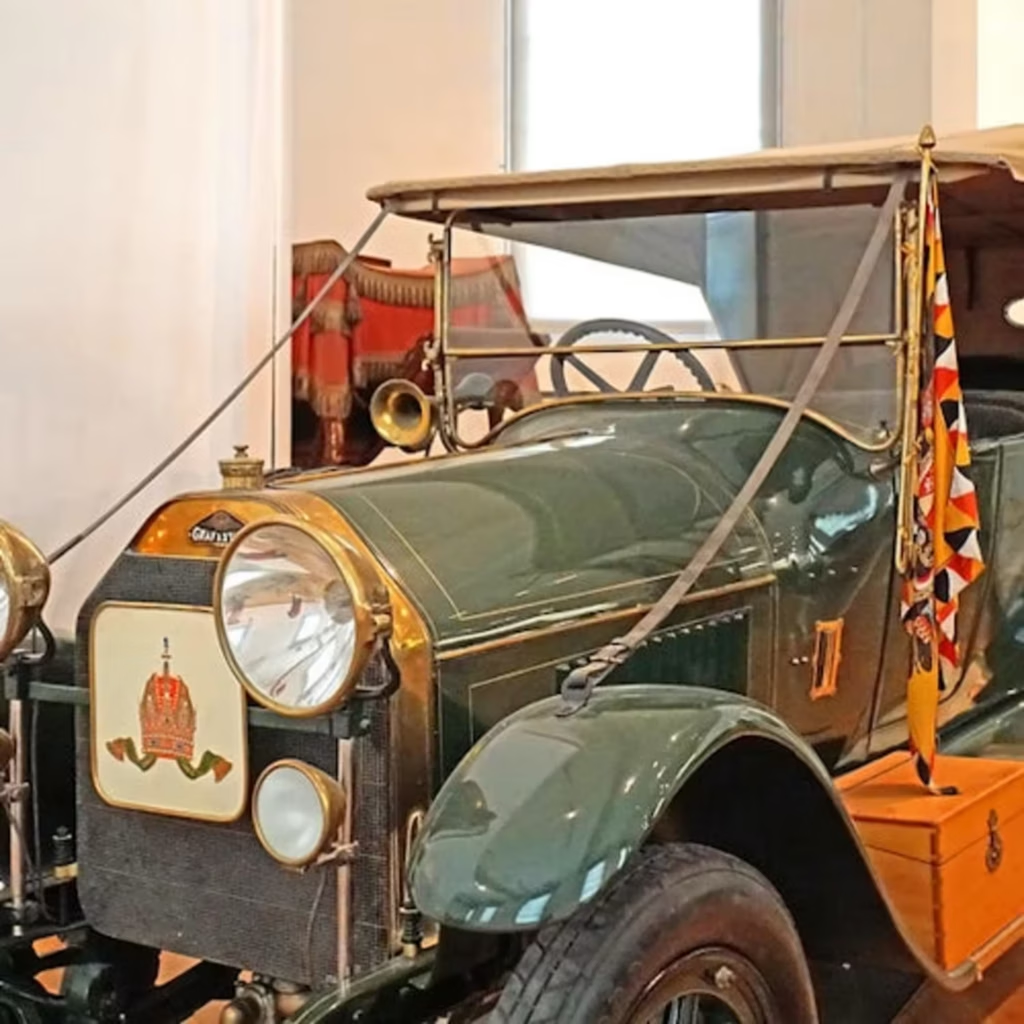
See the first automobiles used by Emperor Charles I, including a uniquely preserved court vehicle.
Learn about historical vehicles representing three centuries of Habsburg history.
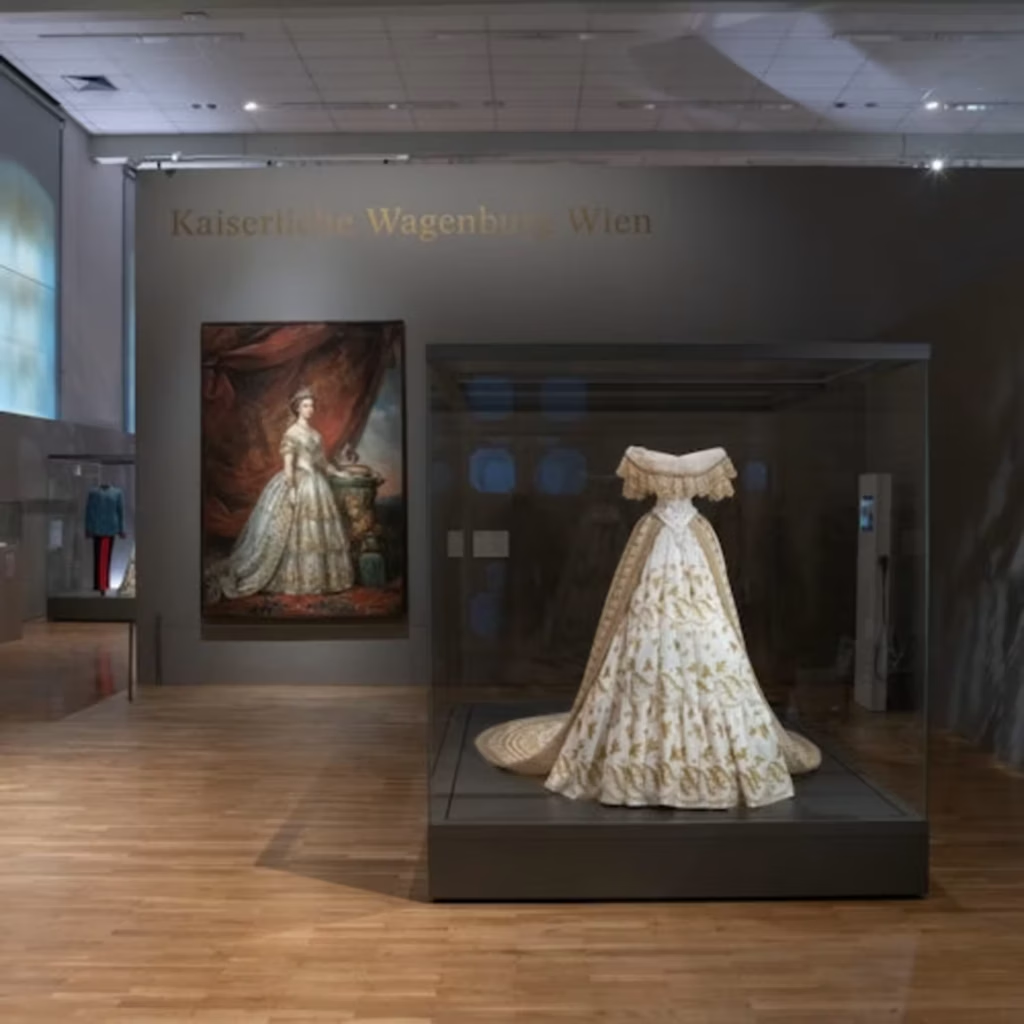
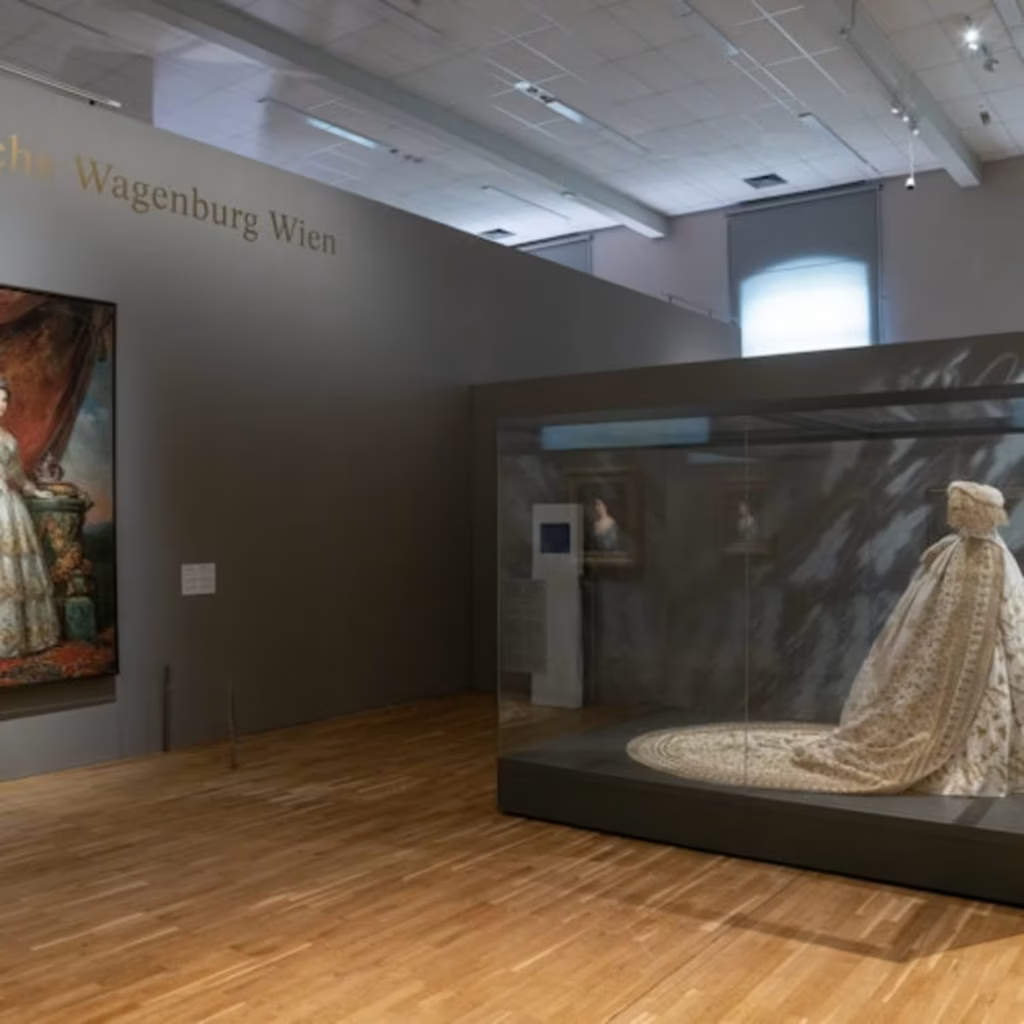
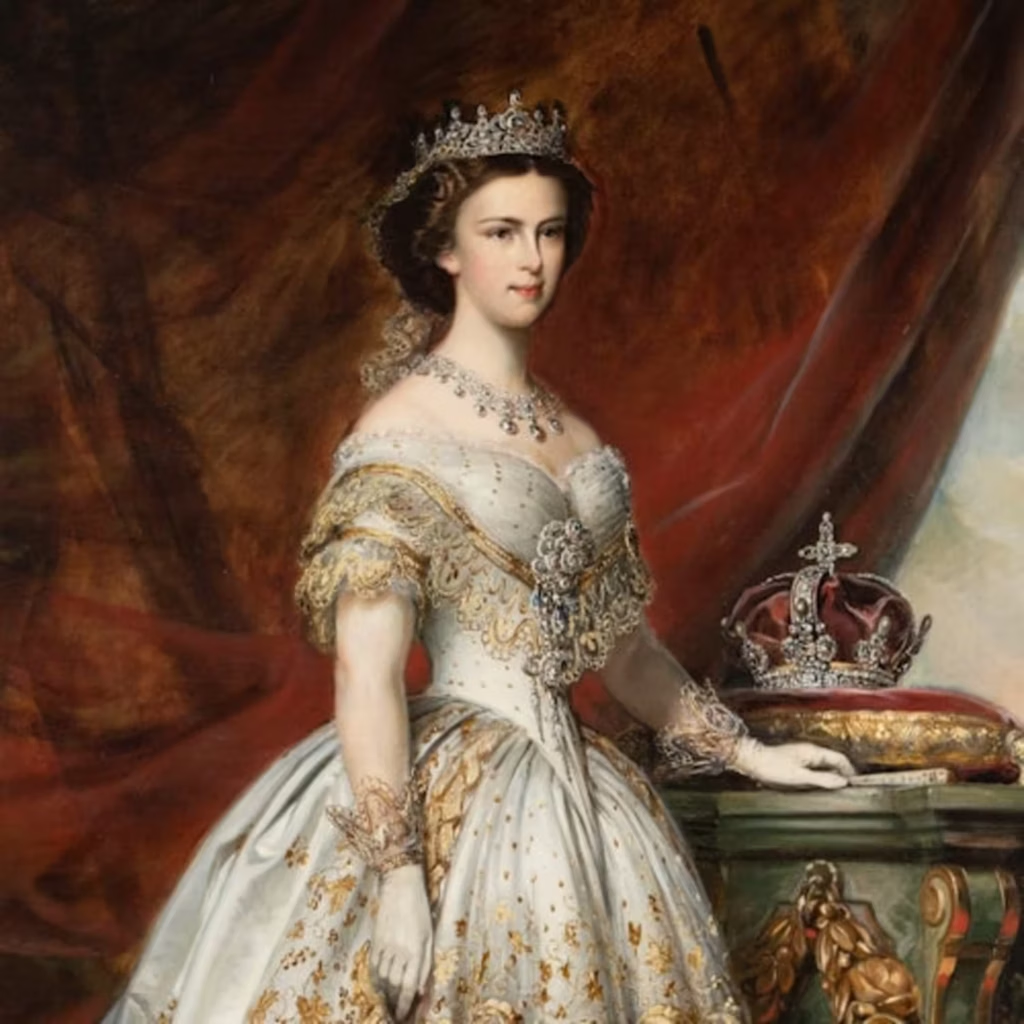
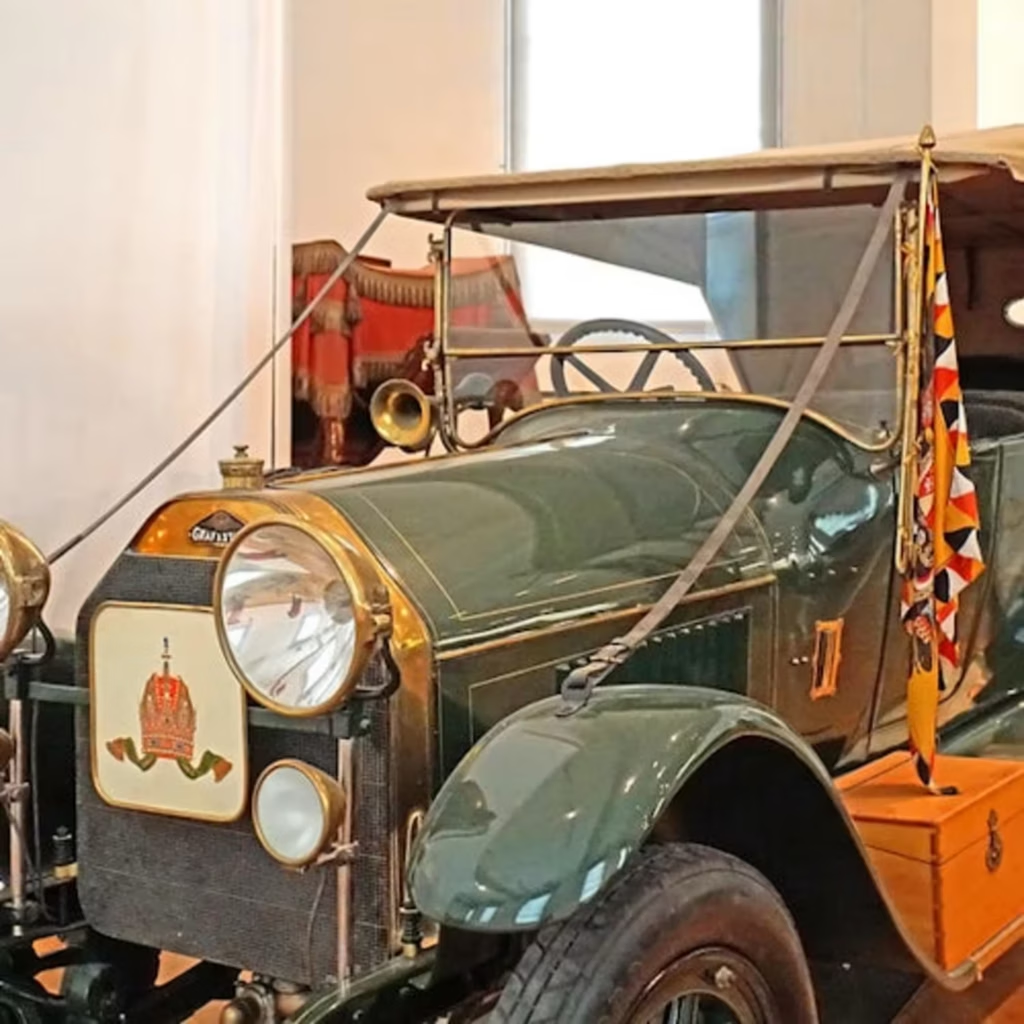
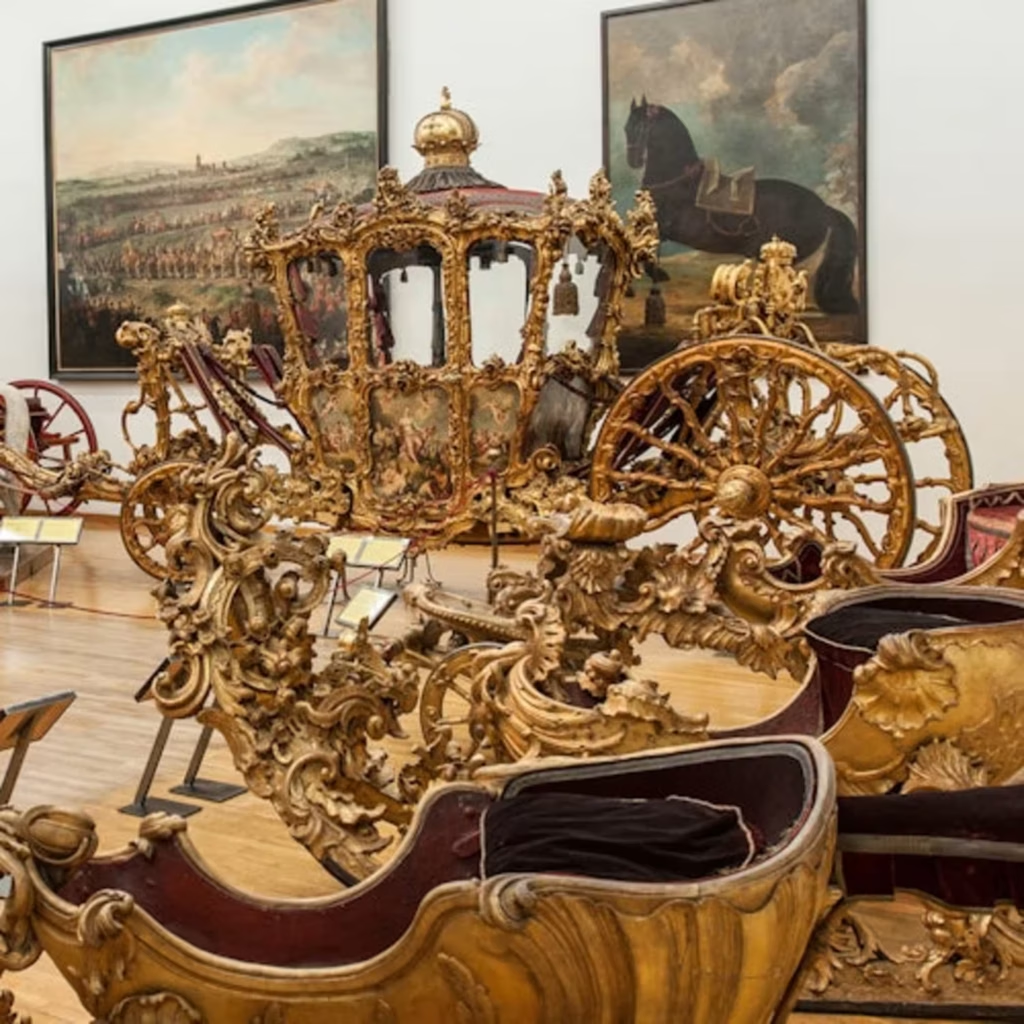
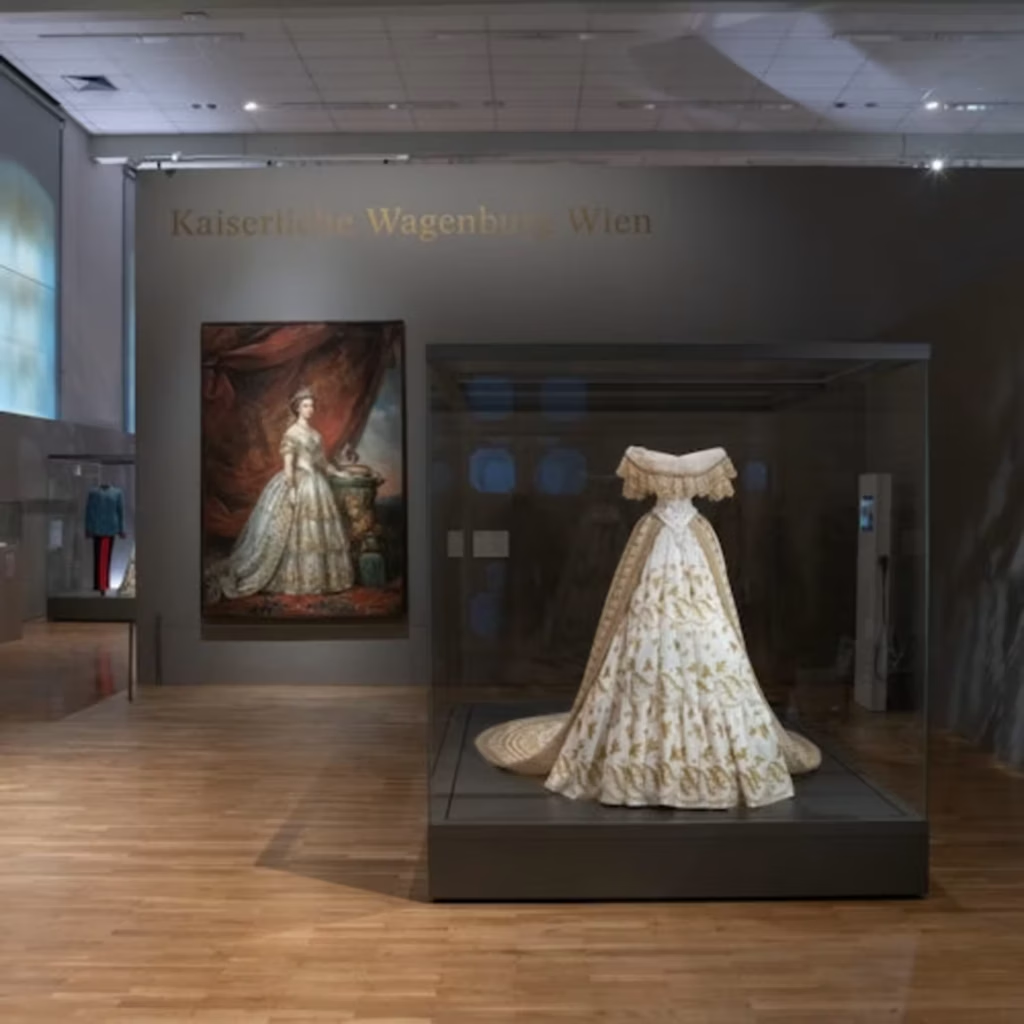
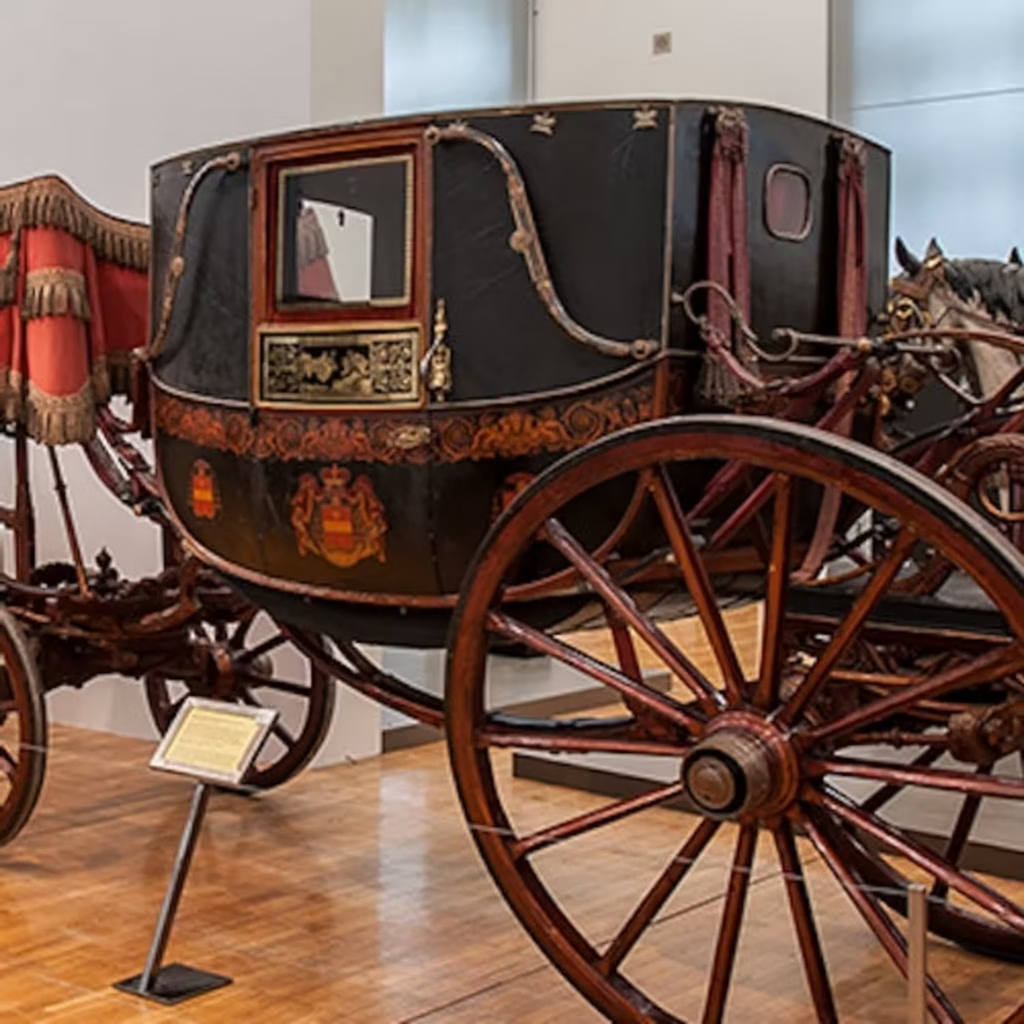
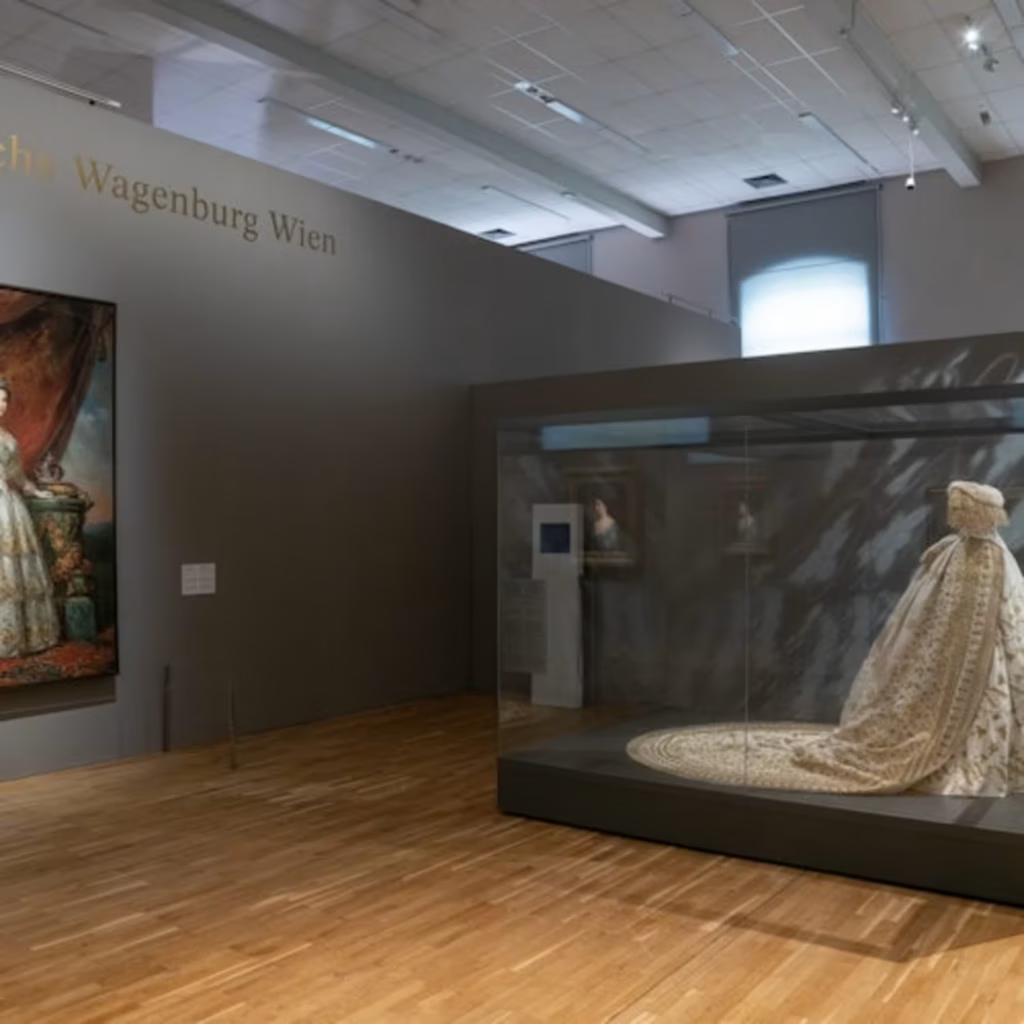
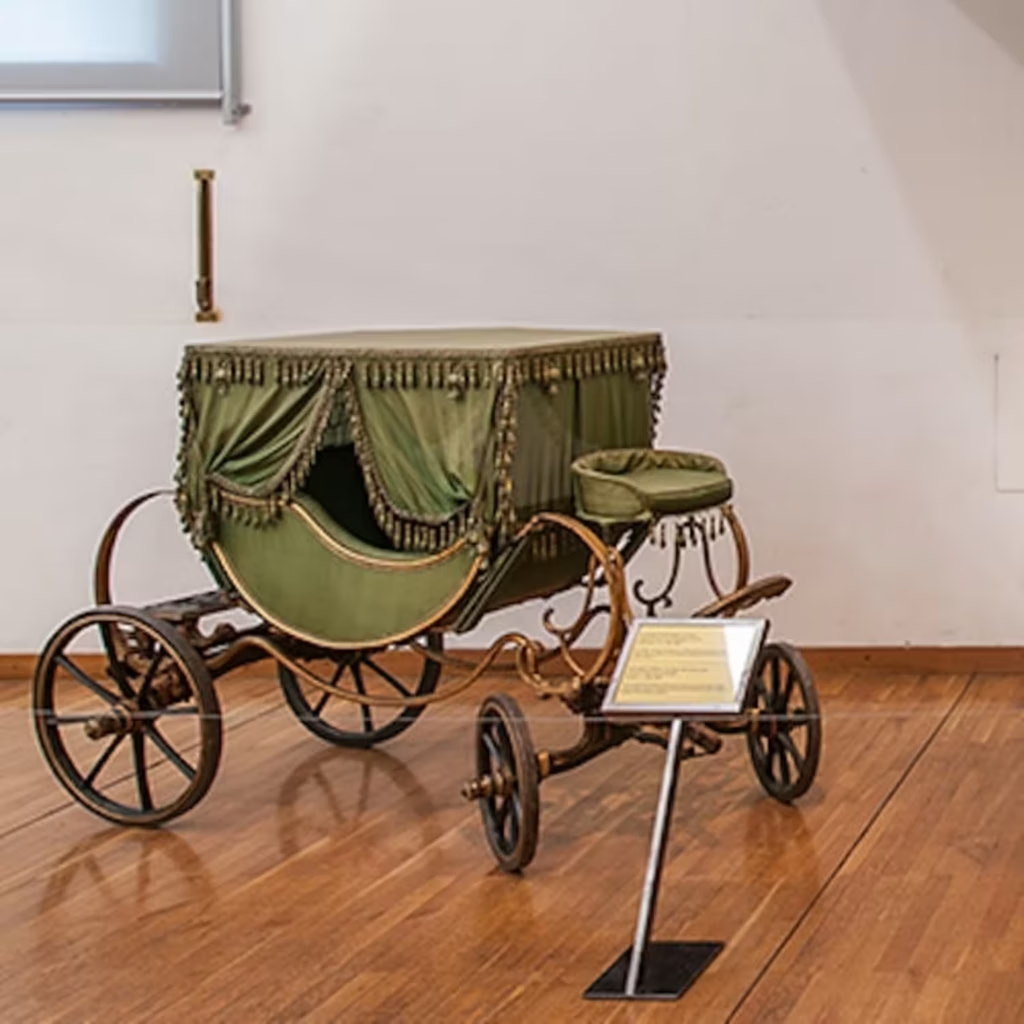
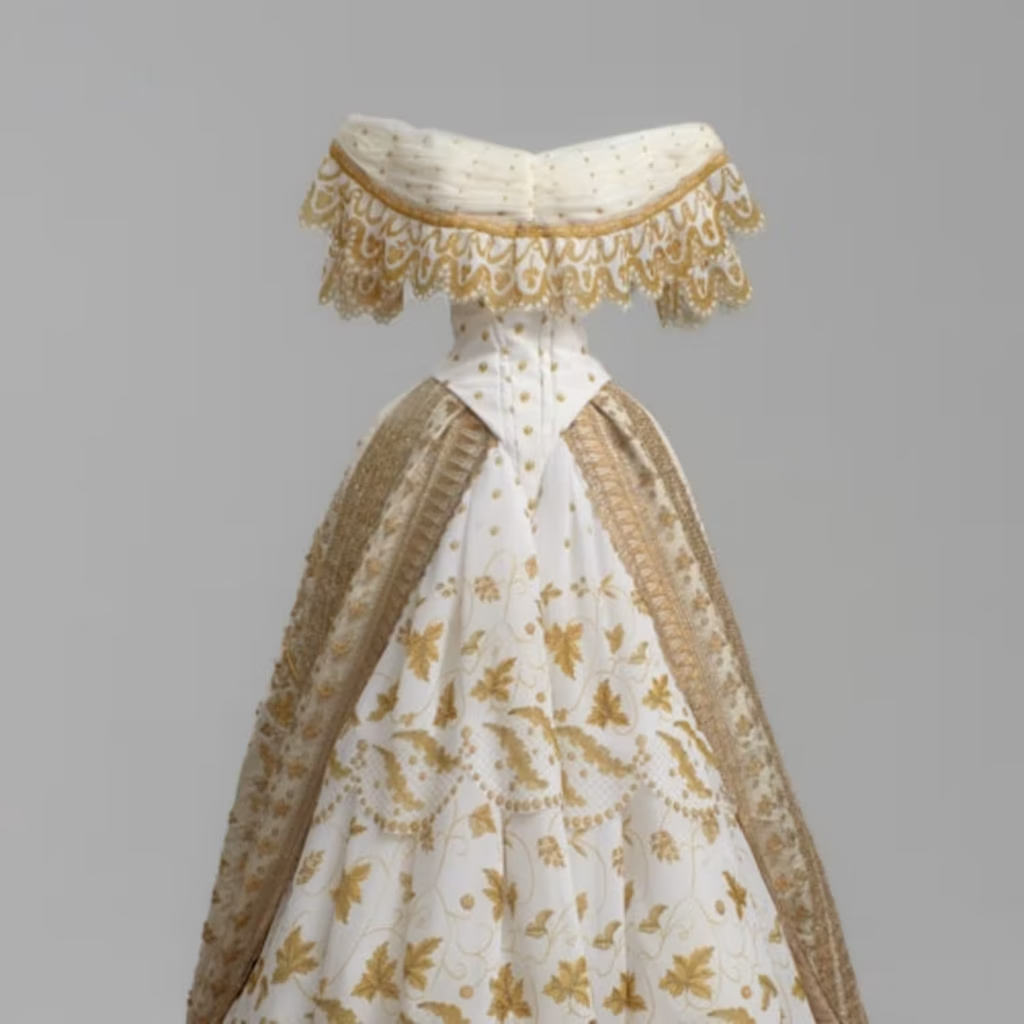
Empress Elisabeth: Imperial Treasury Vienna + Imperial Carriage Museum
Highlights
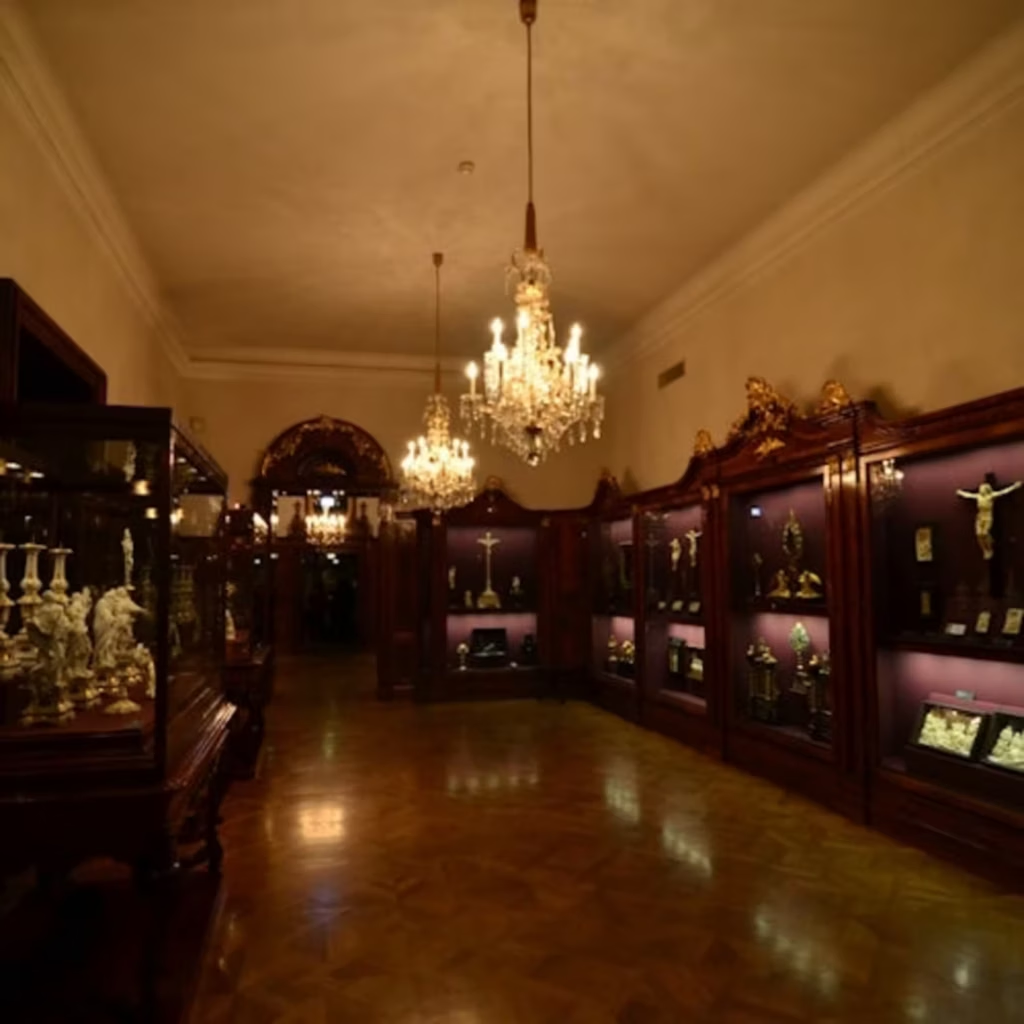
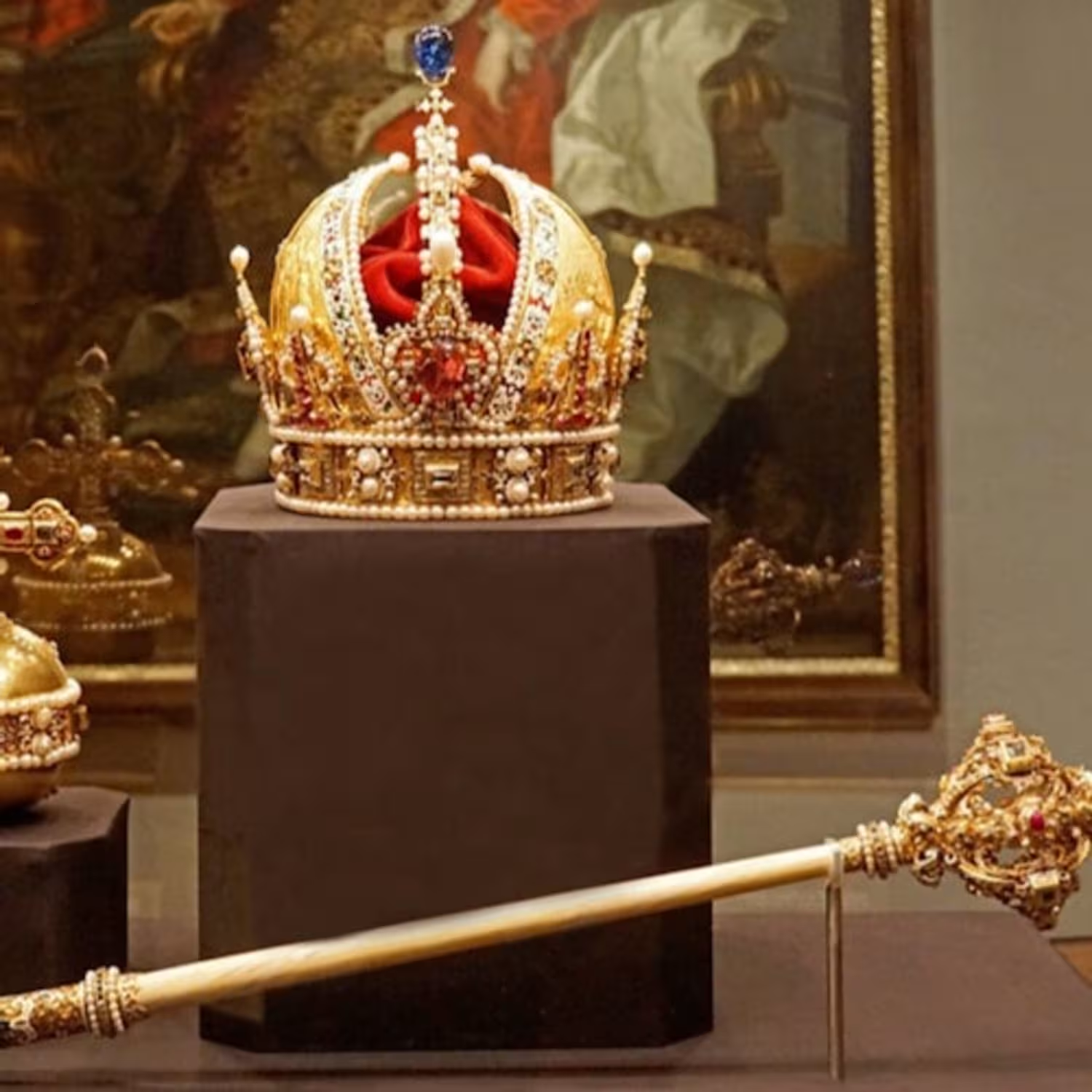
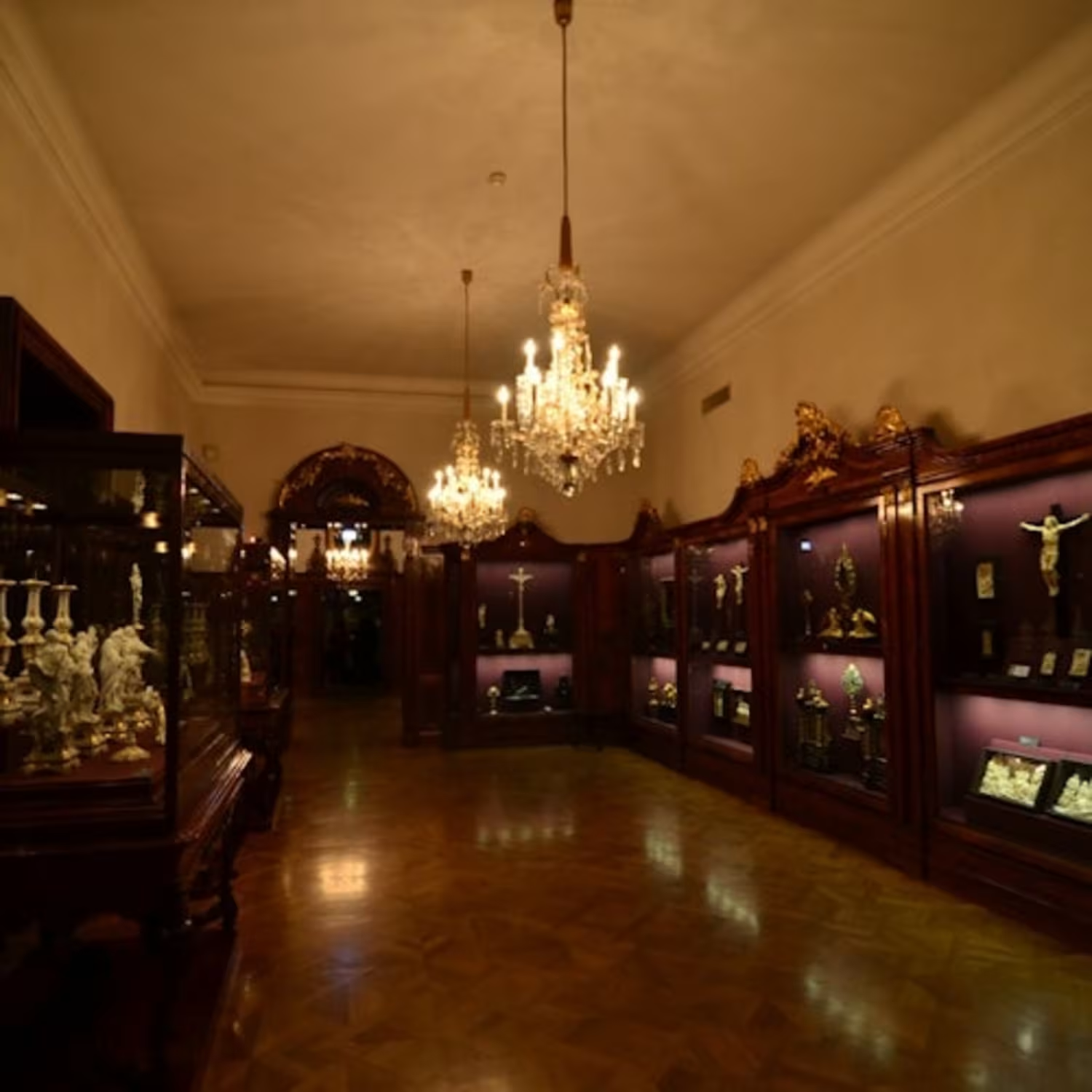
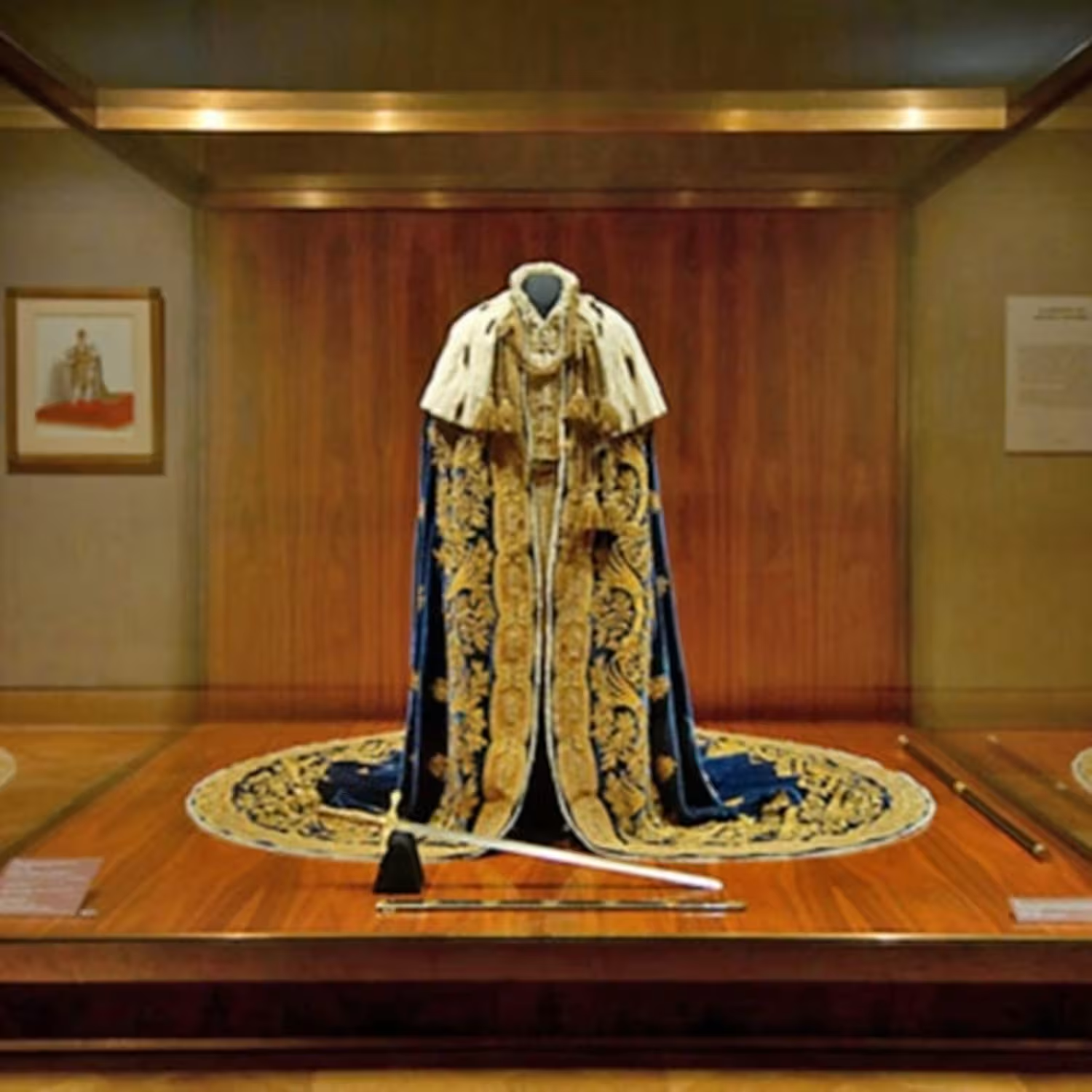
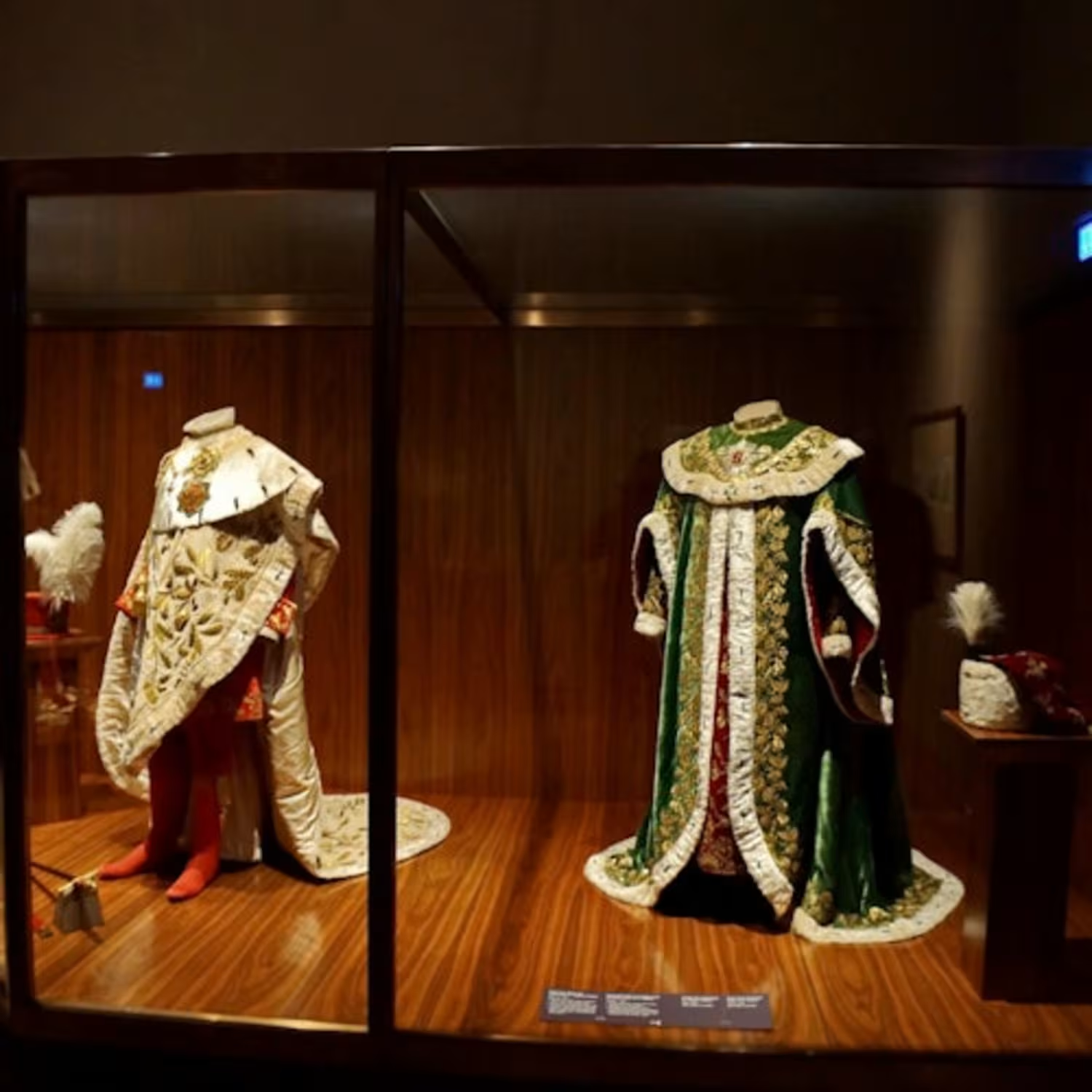
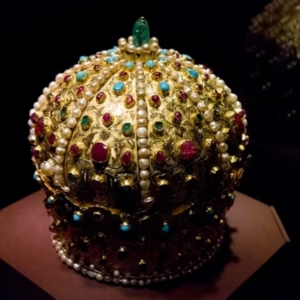
Exclusive access to the private jewelry collection of the Imperial Treasury.
Explore imperial carriages used in major events for over two centuries.
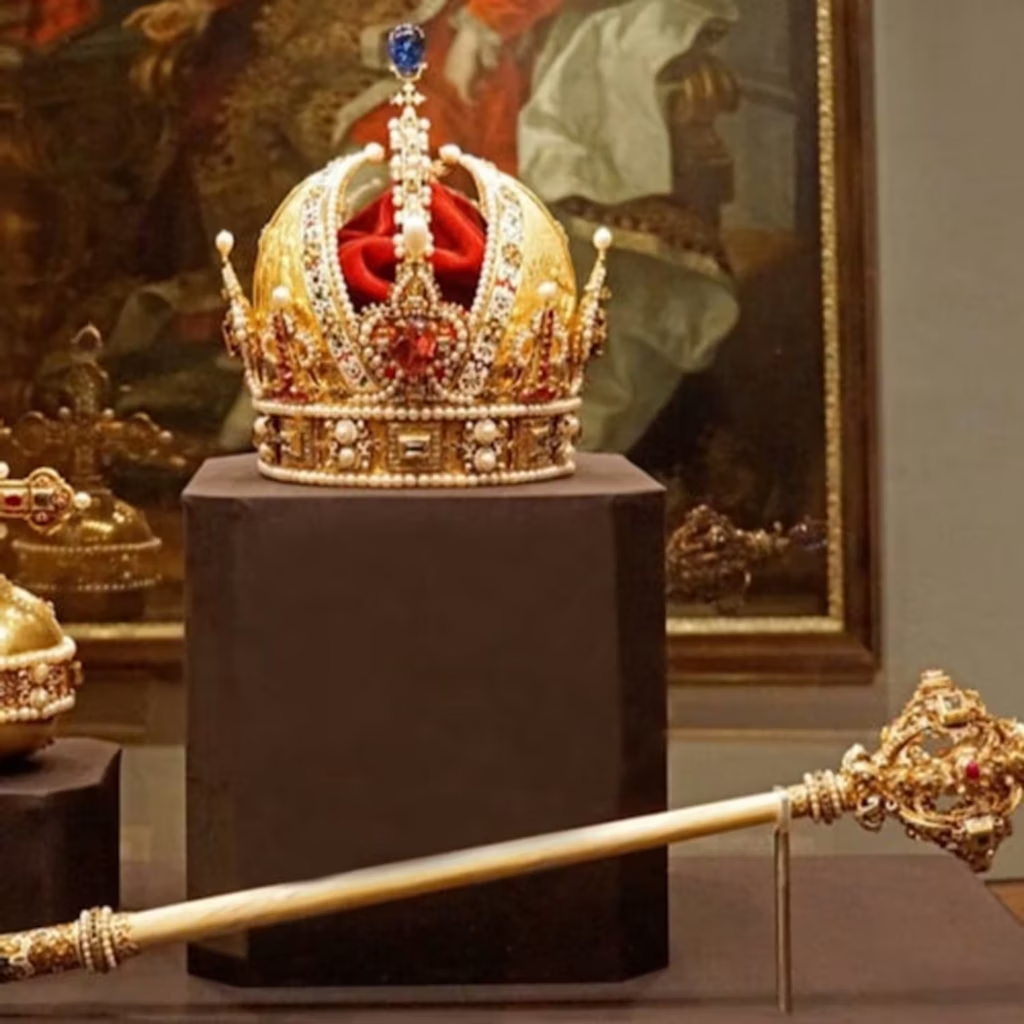
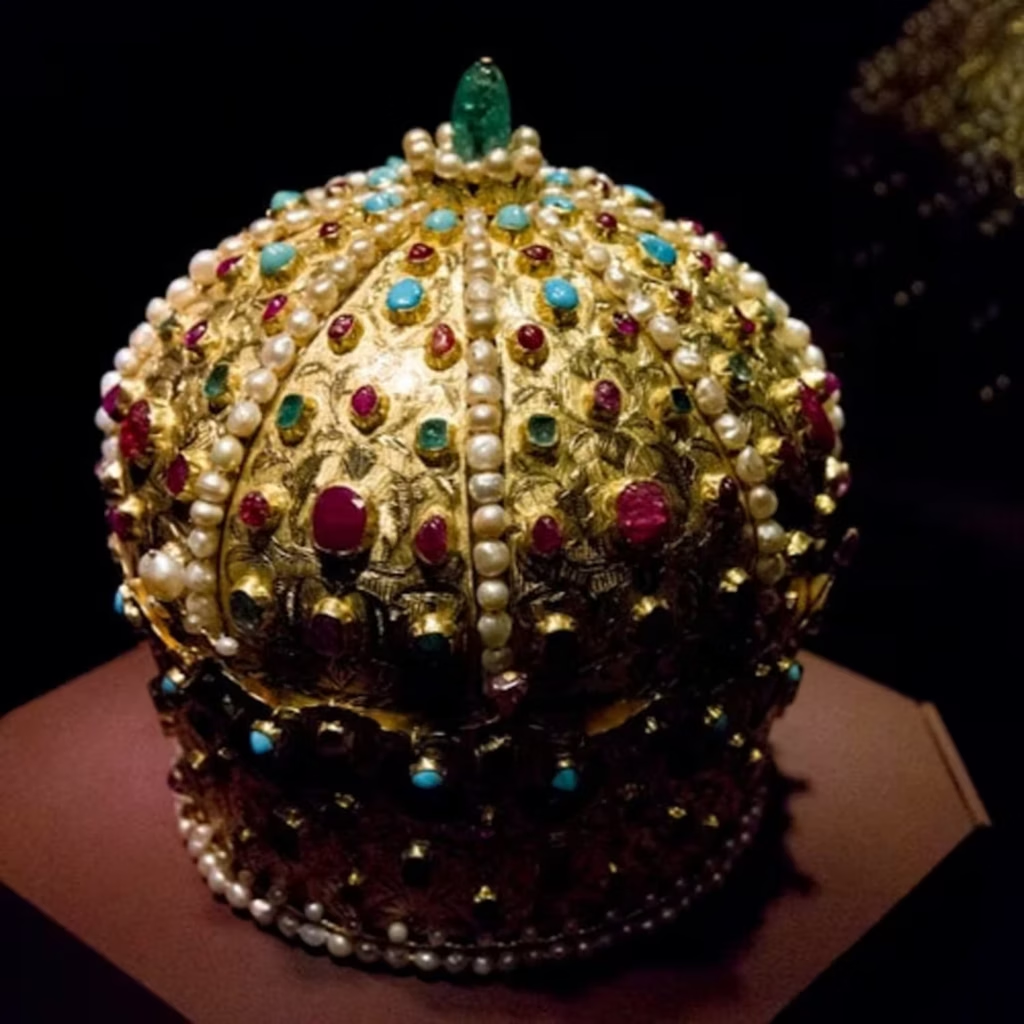
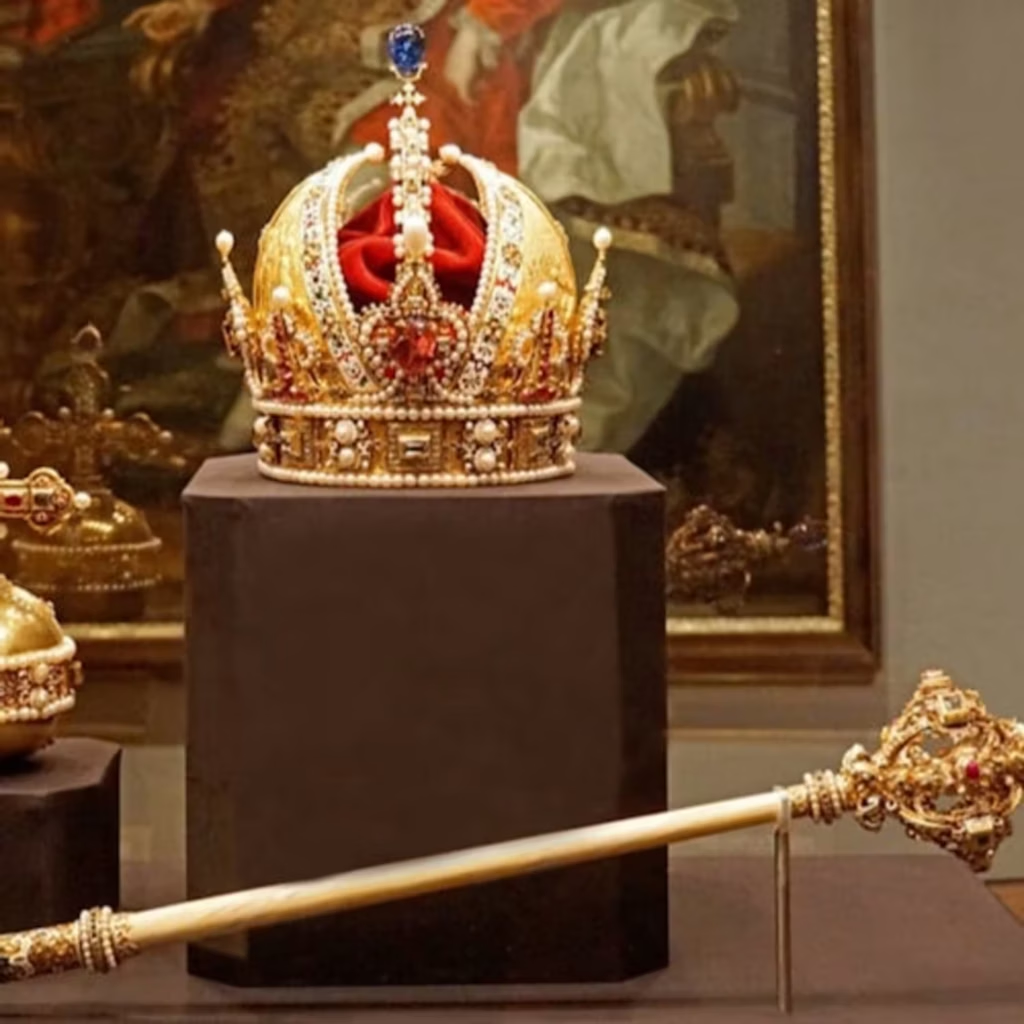
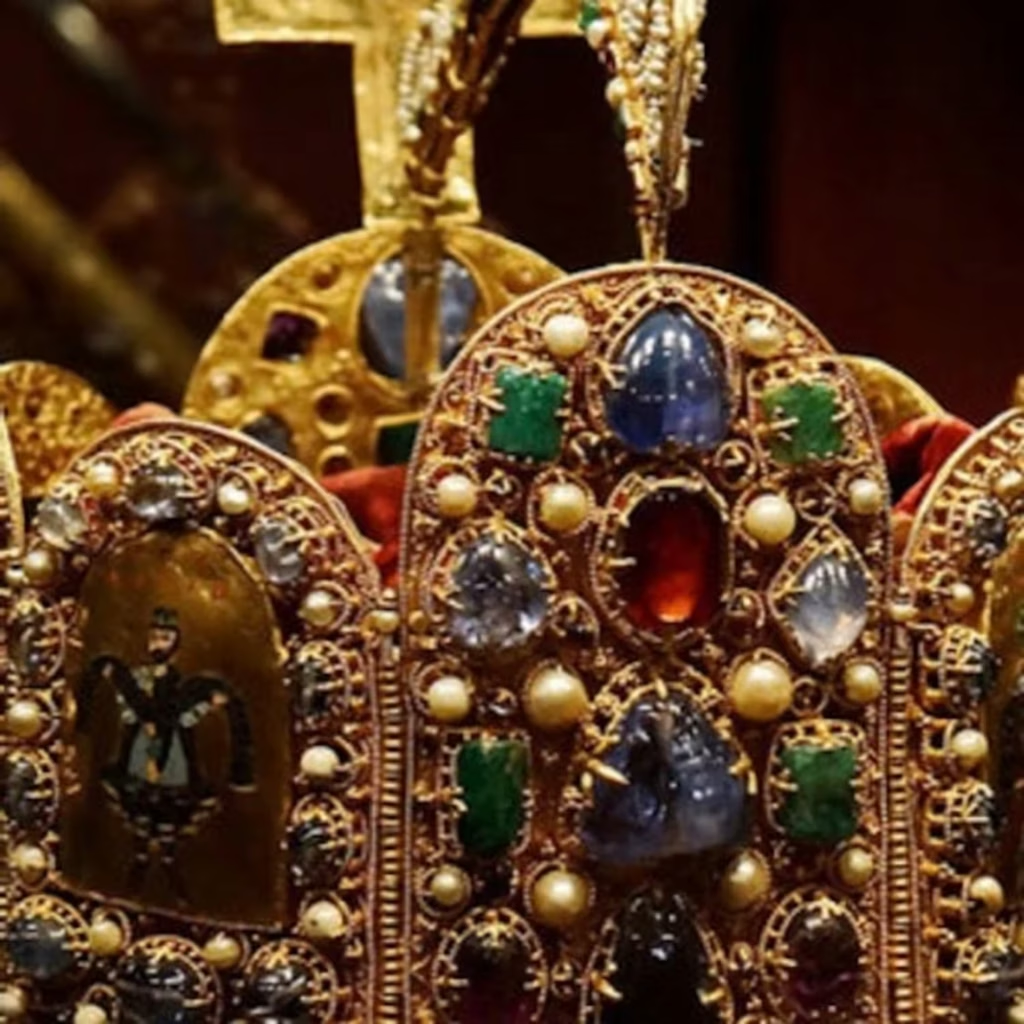
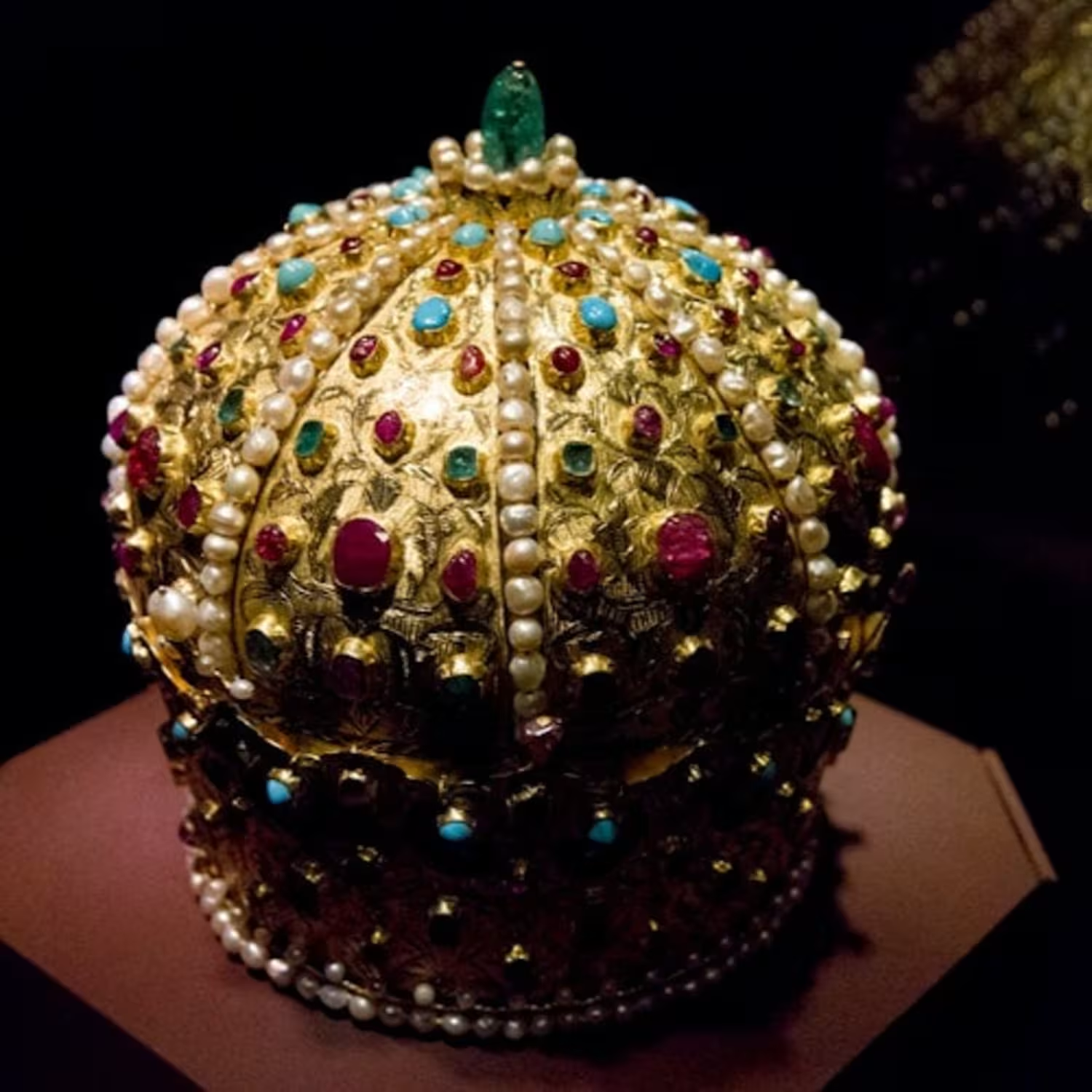
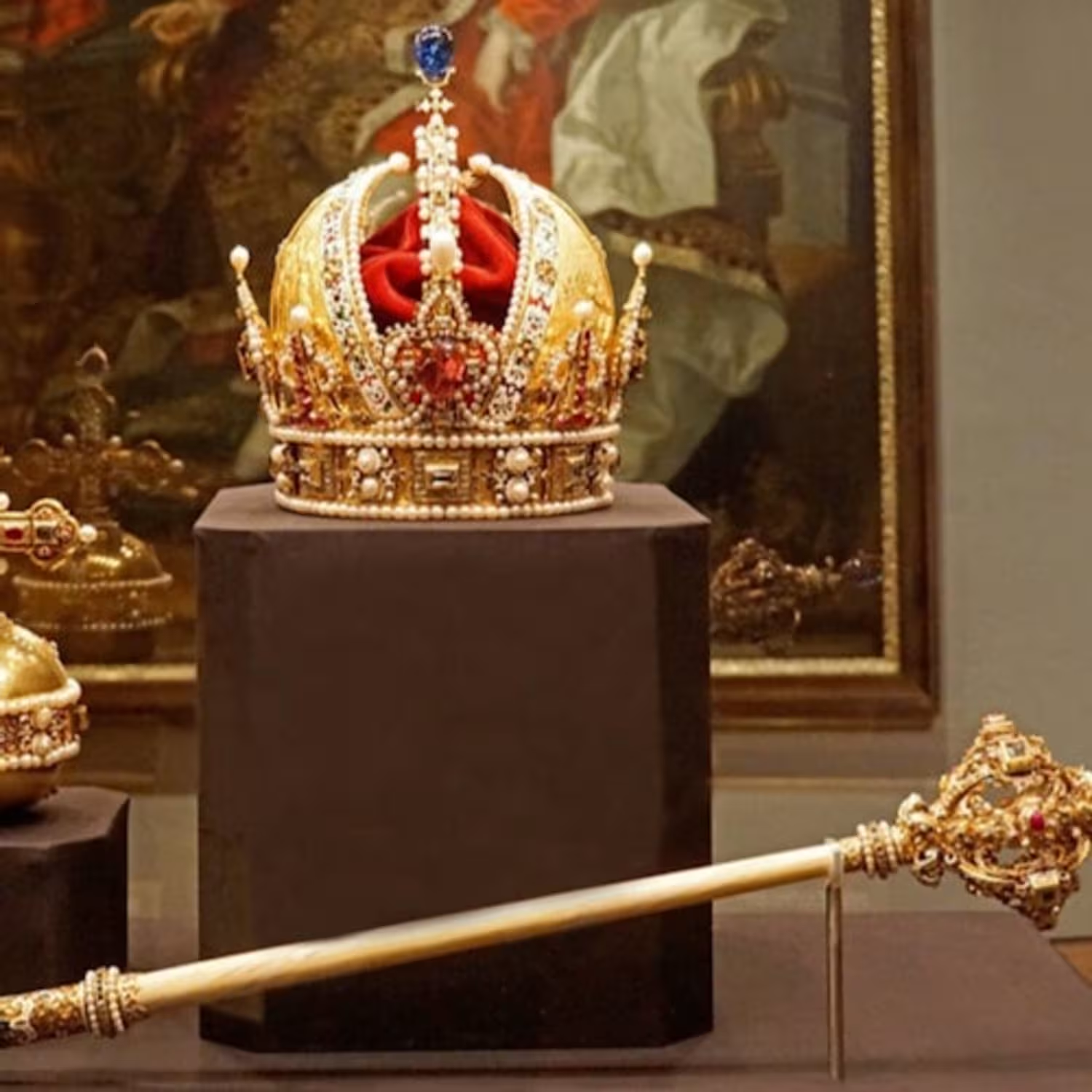
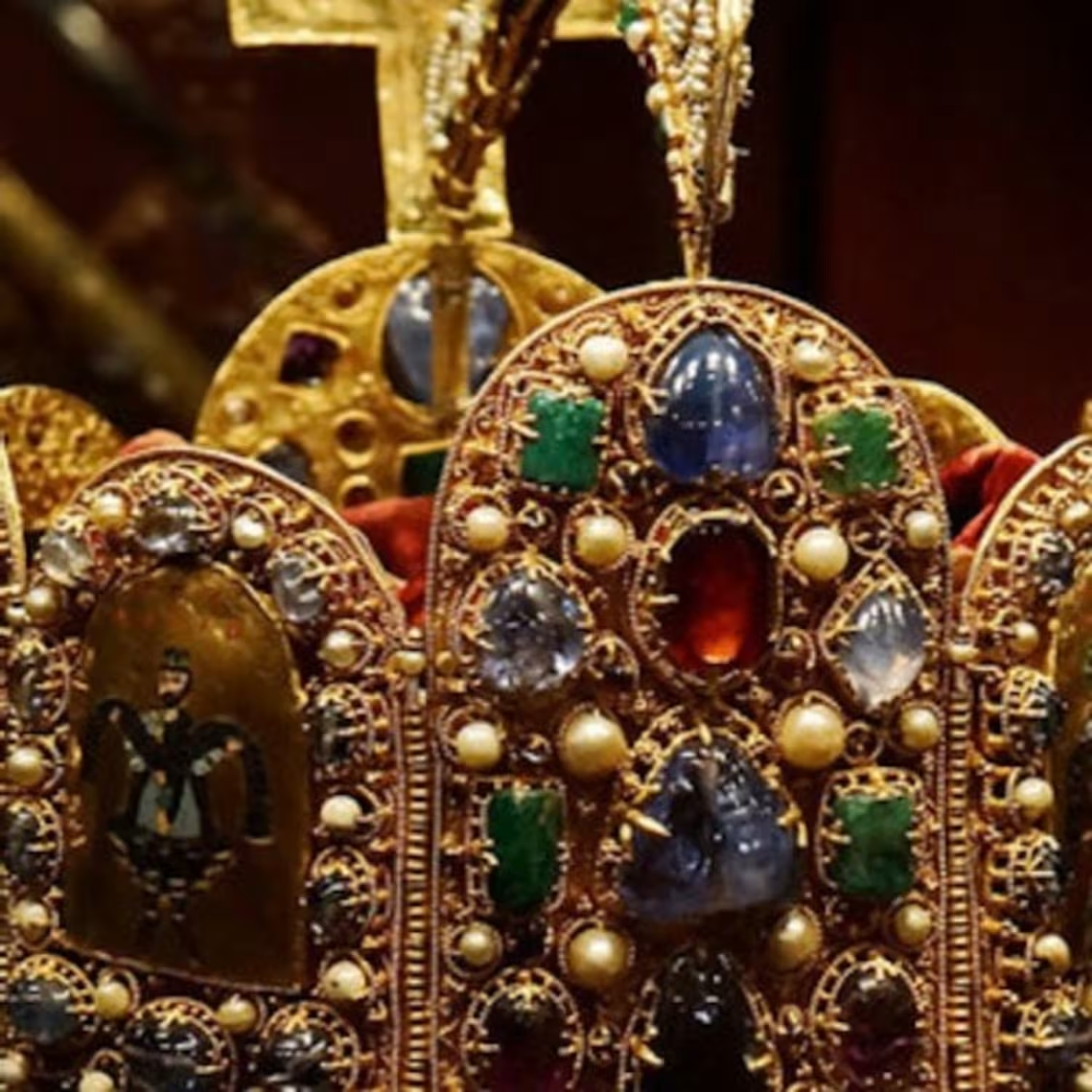
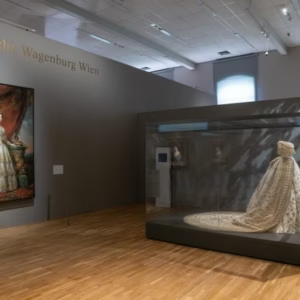
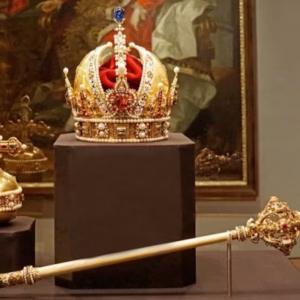
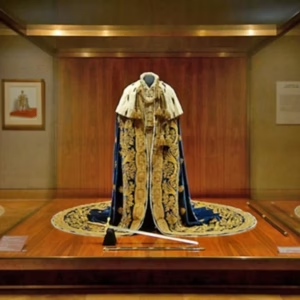
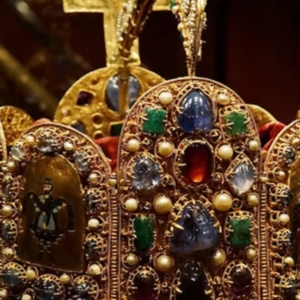
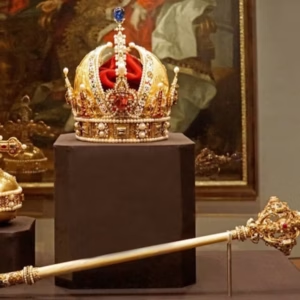
Admire unique exhibits, such as Sisi’s imposing black dress and the Crown of the Holy Roman Empire.
Visit two magnificent museums located at historic sites in Vienna.
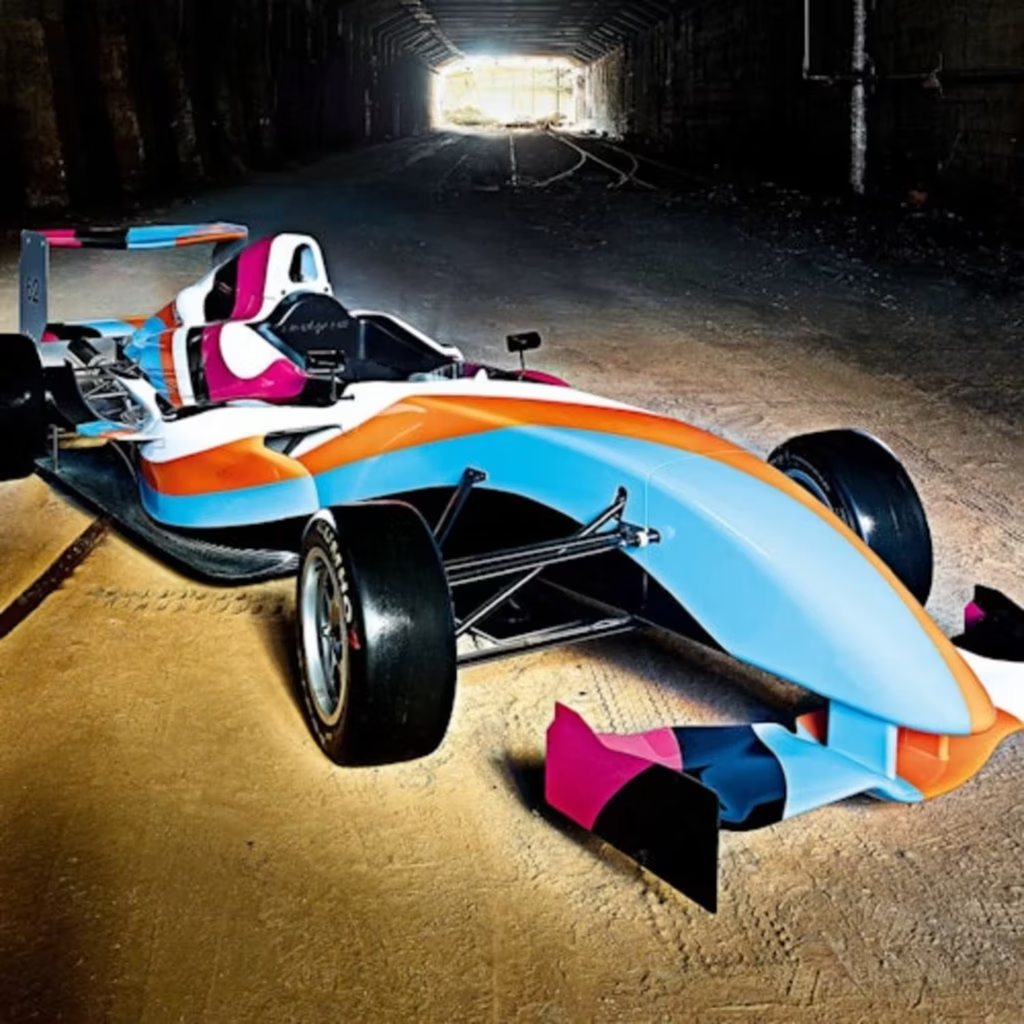
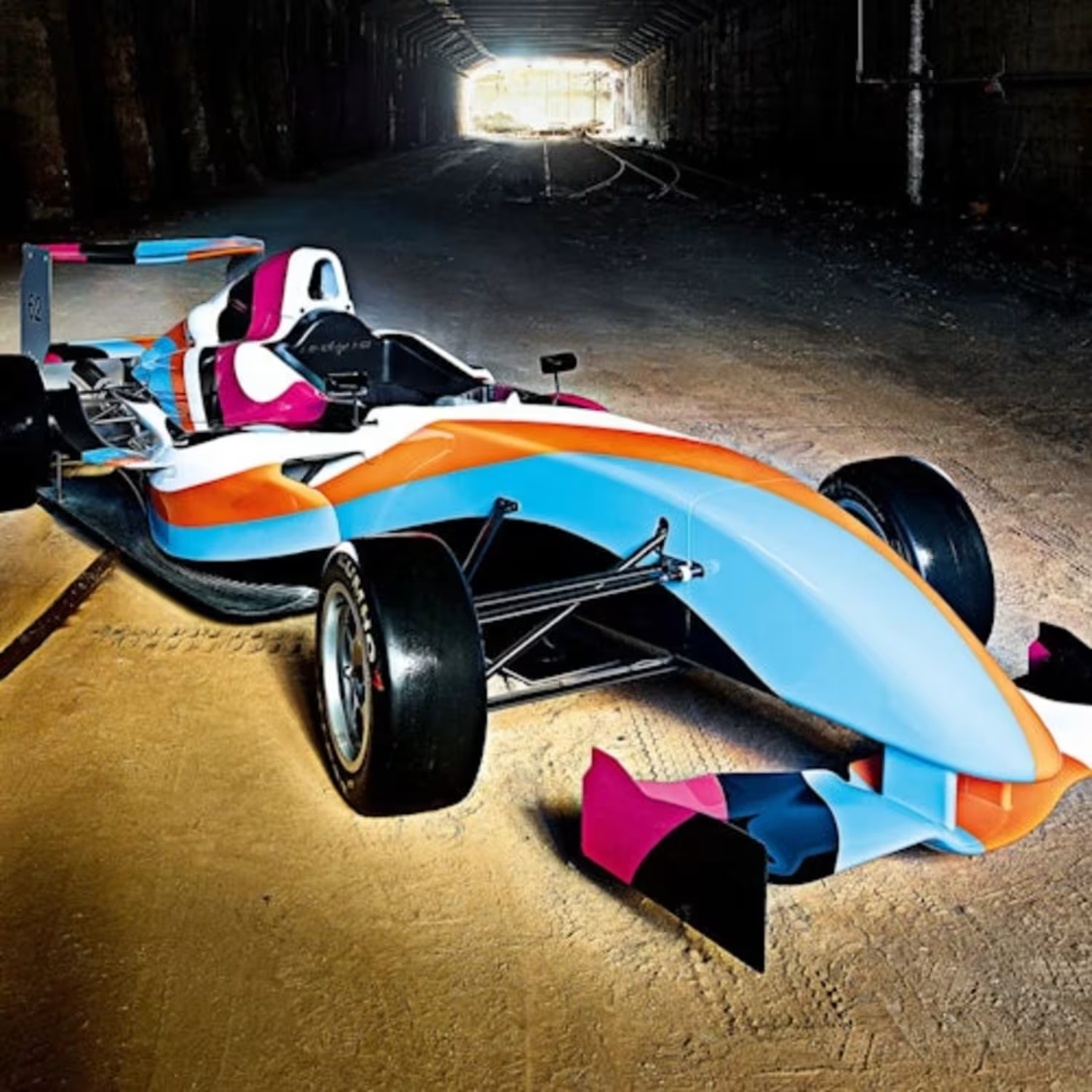
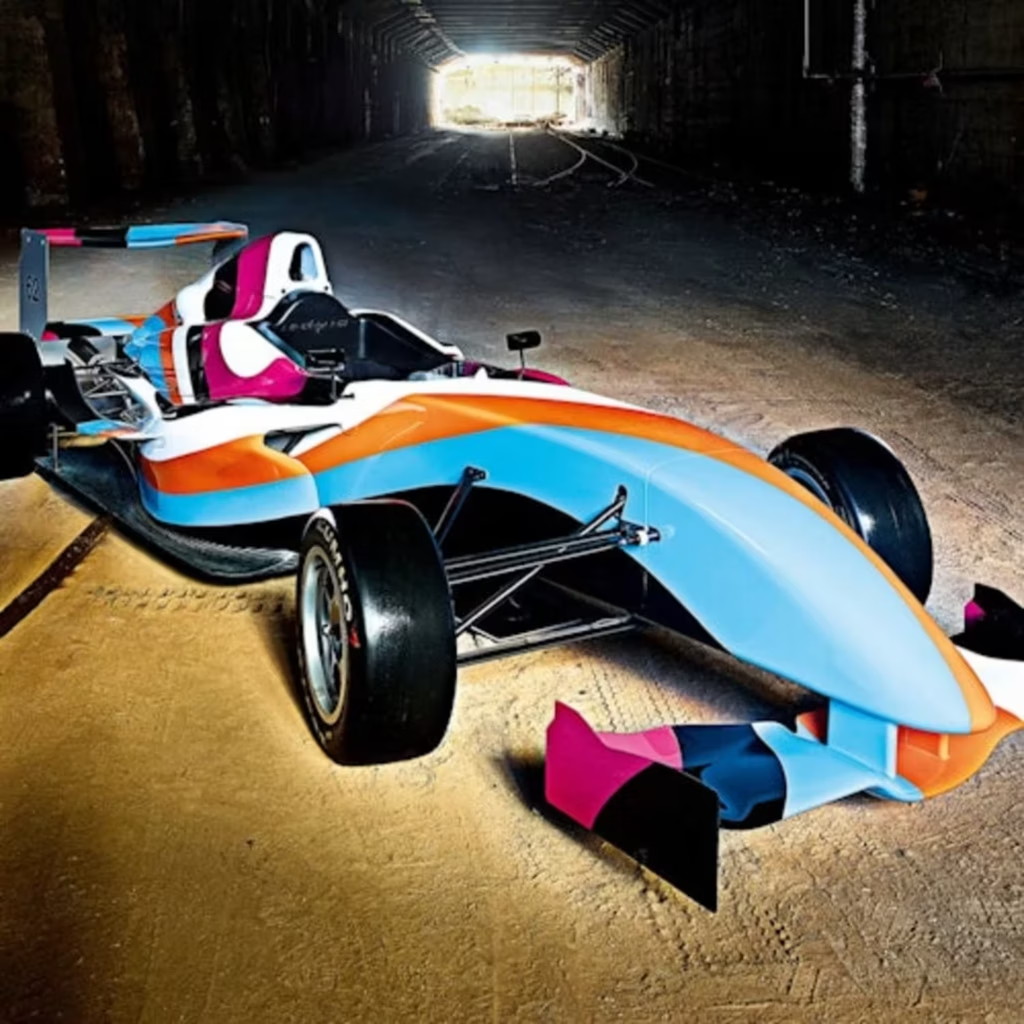
Learn about the evolution of imperial transport, including modern contemporary vehicles.